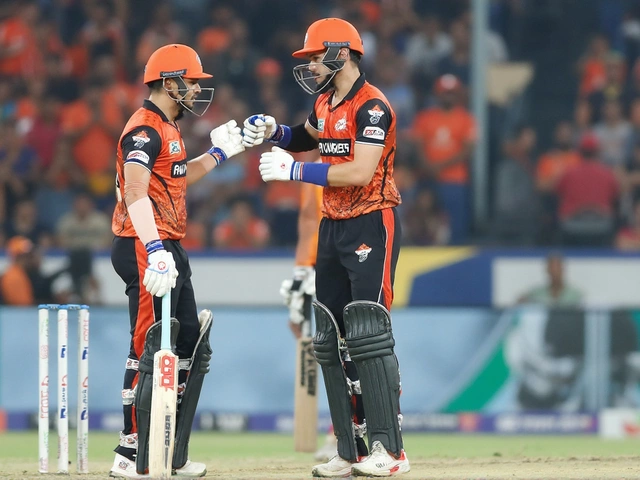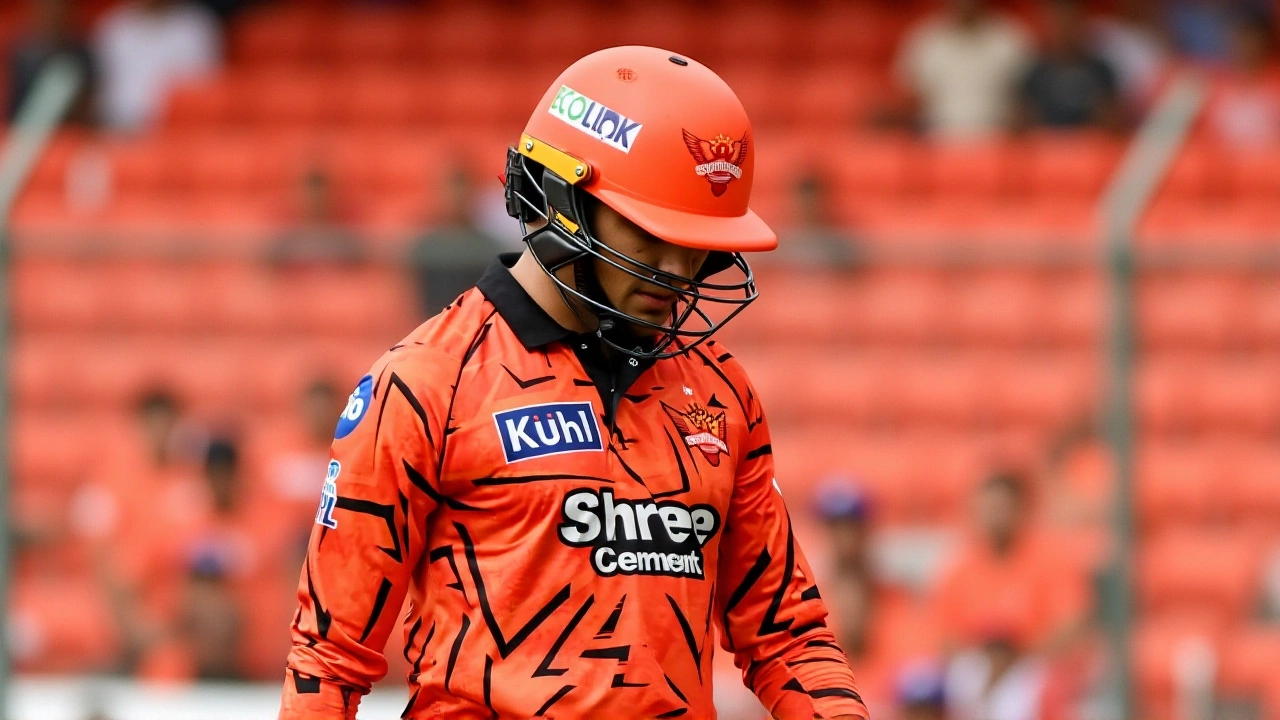
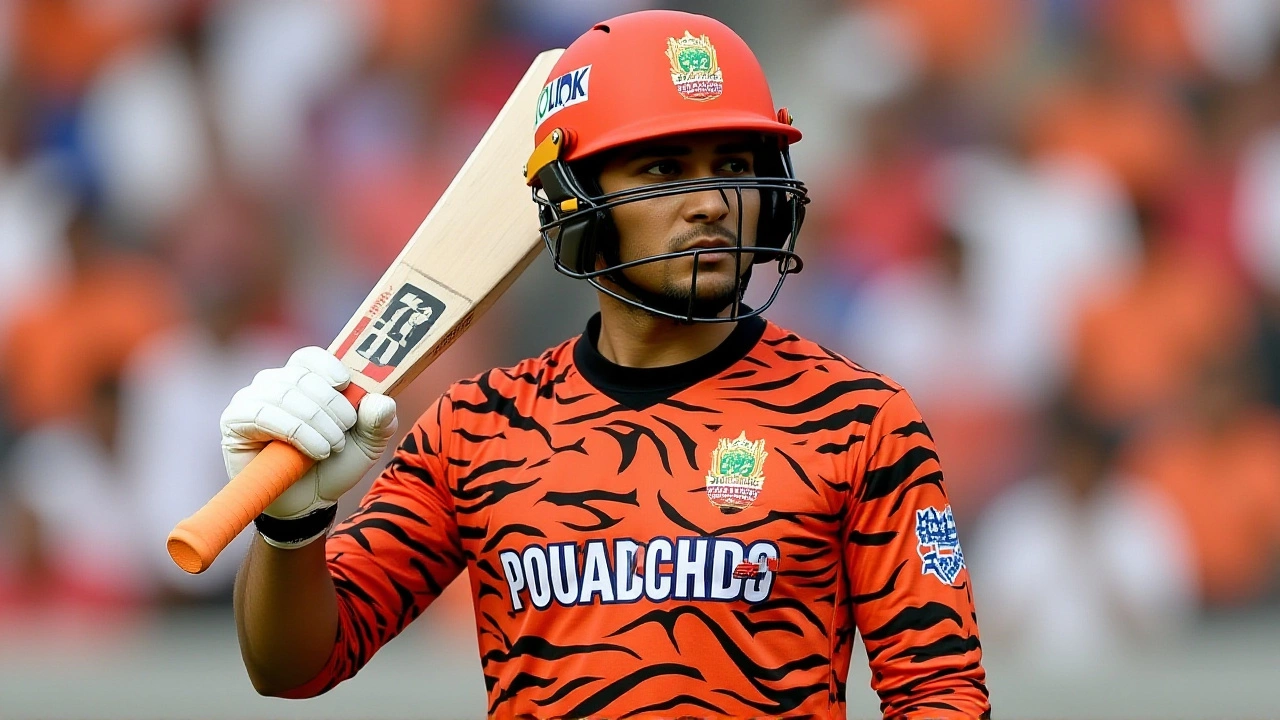
When Abhishek Sharma, left-handed batter for Team India, walked back to the pavilion with a duck against the Netherlands, it wasn't just another zero on the scorecard. It was a flashing red light for the team management.
The dismissal came during a crucial fixture in the T20 World Cup, raising immediate questions about his place in the squad. Here’s the thing: one bad innings happens to everyone. But repeated failures in high-pressure tournaments? That’s when selectors start sweating.
The Weight of Expectation
Sharma’s recent form has been a tale of two players. On one hand, you have the explosive talent who once smashed 79 runs off a handful of balls, including eight sixes and five fours against England. That innings alone proved he can dismantle any bowling attack if he gets going. The math is simple: 68 of those 79 runs came from boundaries. That’s dangerous stuff.
But then there’s the other side. The side that keeps folding under pressure. His latest duck against the Netherlands wasn’t an isolated incident; it was part of a worrying trend. Fans and analysts alike are pointing out that in a tournament as volatile as the T20 World Cup, consistency isn’t just nice to have—it’s mandatory.
"It’s not just about the runs," noted one cricket analyst. "It’s about the mental fortitude required at this level. When you’re batting in the middle order, every ball counts. A duck isn’t just a zero; it’s a lost opportunity."
Selection Headaches for Management
The Indian team management now faces a tricky dilemma. Do they stick with a player who has shown match-winning potential but lacks consistency? Or do they cut their losses and look elsewhere?
Rumors are already swirling about potential changes ahead of the next big clash—India versus Pakistan. Speculation suggests that Sanju Samson might be reviewed alongside Sharma. Meanwhile, names like Rinku Singh and Kuldeep Yadav are being mentioned as possible replacements or tactical shifts.
Interestingly, Washington Sundar is reportedly set to miss the upcoming match, which could open up spots for others. The idea is to find a combination that balances aggression with stability. Some insiders suggest three key combinations are being considered, though no official announcement has been made.
Pitch Conditions and Tactical Shifts
Context matters in cricket, especially in the T20 format. The pitch scheduled for the India-Pakistan encounter has already hosted a match involving Australia. Analysts believe that based on previous performances, a first-innings total of around 180 runs should be considered competitive.
If India bats first, they’ll need to capitalize on these conditions early. Rain doesn’t appear to be a major factor, according to weather reports, so teams can plan without interruption concerns. This means batters like Sharma will have no excuses—they’ll either adapt or get dropped.
What Does This Mean for Fans?
For supporters, the stakes couldn’t be higher. Watching your favorite player struggle repeatedly is painful. But more importantly, seeing the team falter in critical moments shakes confidence in the entire setup. Fans want winners, not just talented individuals who occasionally shine.
There’s also the emotional toll. Cricketers aren’t robots; they feel the weight of expectations. Sharma himself must be dealing with immense pressure. Whether he can bounce back remains to be seen.
Looking Ahead: Can He Turn It Around?
History shows us that many great cricketers have gone through slumps before rediscovering their form. Rohit Sharma, Sanju Samson, and even Virat Kohli have faced similar phases where doubts crept in. What separated them was resilience—and support from within the camp.
So far, however, Sharma hasn’t demonstrated that turnaround yet. His next few innings will define whether he’s still part of India’s future plans or merely a past experiment.
Frequently Asked Questions
Why is Abhishek Sharma’s performance causing concern?
Sharma has registered multiple ducks in recent high-stakes matches, including a notable failure against the Netherlands in the T20 World Cup. In such short-format tournaments, consistent run-scoring is vital, and repeated failures raise serious questions about his current form and mental readiness.
Who might replace him in the upcoming matches?
While no official changes have been announced, speculation points toward players like Rinku Singh and possibly adjustments involving Sanju Samson. Washington Sundar is expected to sit out, creating space for new combinations. Kuldeep Yadav may also play a larger role depending on tactical needs.
Is there any evidence of improvement in his technique?
Not recently. While Sharma has previously displayed explosive scoring ability—such as his 79-run cameo against England featuring eight sixes—he has struggled to replicate that success consistently. Technical tweaks haven’t yielded visible results so far, leaving experts skeptical about immediate recovery.
How does this affect India’s chances in the tournament?
India relies heavily on depth in its batting lineup. If key contributors fail repeatedly, it puts undue pressure on top-order batters and limits flexibility. Losing a dynamic hitter like Sharma effectively reduces options, making the team vulnerable against strong bowling attacks.
What do experts say about his future in the national side?
Opinions vary. Some believe Sharma’s raw talent warrants patience, citing examples of former stars who overcame similar struggles. Others argue that modern cricket demands instant impact, and prolonged inconsistency leaves little room for second chances. Time will tell which view prevails.