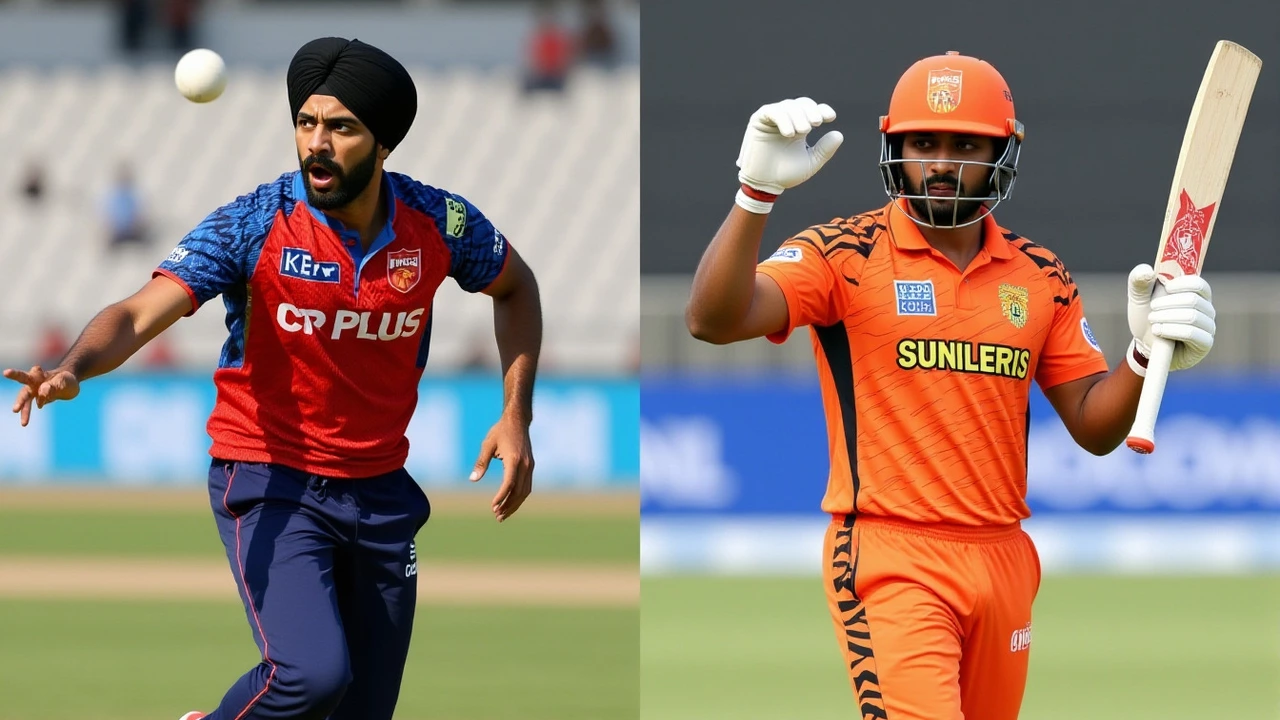
When Abhishek Sharma, batsman for Sunrisers Hyderabad, stepped onto the crease on April 11, 2026, he didn't just want to score runs. He wanted to send a message. And against his former team, Punjab Kings, he delivered exactly that.
In Match 17 of IPL 2026Mullanpur, held at the Maharaja Yadavindra Singh International Cricket Stadium in Mullanpur (New Chandigarh), Sharma produced one of the most destructive powerplays in tournament history. He reached half-century off just 18 balls, finishing with a blistering 74 runs from only 28 deliveries.
The twist? The bowler who suffered most was Arshdeep Singh, whose erratic line and length turned his overs into a costly affair for PBKS. It wasn’t just bad luck—it was a masterclass in punishing loose bowling.
A Powerplay Like No Other
Here’s the thing about modern T20 cricket: if you don’t attack early, you’re already behind. Abhishek Sharma knew this better than anyone. Opening alongside Travis Head, he launched an immediate assault on the Punjab Kings’ bowling attack.
From the very first over, it was clear something special was happening. By the end of the powerplay—those crucial first six overs—SRH had amassed 105 runs without losing a wicket. That’s not just good; it’s historic. In fact, it stands as the third-highest powerplay total in IPL history.
But let’s talk numbers because they tell their own story:
- Abhishek Sharma scored 74 runs off 28 balls
- His strike rate? A mind-boggling 264.28
- He hit 5 fours and 8 sixes during his innings
- His partnership with Travis Head added 121 runs for the first wicket
Travis Head contributed 38 runs off 23 balls before falling, but all eyes were firmly fixed on Sharma’s explosive display. This wasn’t merely aggression—it was calculated destruction.
Arshdeep’s Costly Overs
Now here’s where things get interesting. While Sharma feasted, Arshdeep Singh found himself in deep trouble. During his second over, the left-arm pacer went completely wrong.
After conceding two boundaries on legitimate deliveries, Arshdeep started leaking wides. Not one or two—but four wides in that single over. Combined with two more sixes and two additional fours from Sharma, the tally reached an embarrassing 24 runs in just one over.
To make matters worse, completing those two overs required him to bowl 18 legal balls instead of the usual 12. For context, that means nearly half his attempts failed to even reach the batsman properly.
This isn’t isolated either. According to reports from TV9 Hindi, Arshdeep has given away 216 runs across the entire season so far while taking zero wickets. Talk about pressure mounting!
Historical Context & Records Broken
What makes Sharma’s performance truly remarkable isn’t just the sheer volume of runs—it’s how quickly he accumulated them. Reaching fifty off 18 balls places him among elite company in limited-overs cricket.
According to Yardbarker analysis, this marks the fifth time Sharma has scored an IPL fifty in under 20 balls—a record no other player holds. Furthermore, this particular knock ranks as his second-fastest half-century in the tournament overall.
Consider these facts:
- Fifth instance of scoring a fifty in fewer than 20 balls in IPL history
- Second-fastest fifty by Sharma personally in IPL
- Part of a trio including Chris Gayle and Rohit Sharma achieving similar feats
Experts point out that such consistency at this pace suggests we may be witnessing the emergence of perhaps the greatest power-hitter ever seen in franchise cricket.
Reactions From Stakeholders
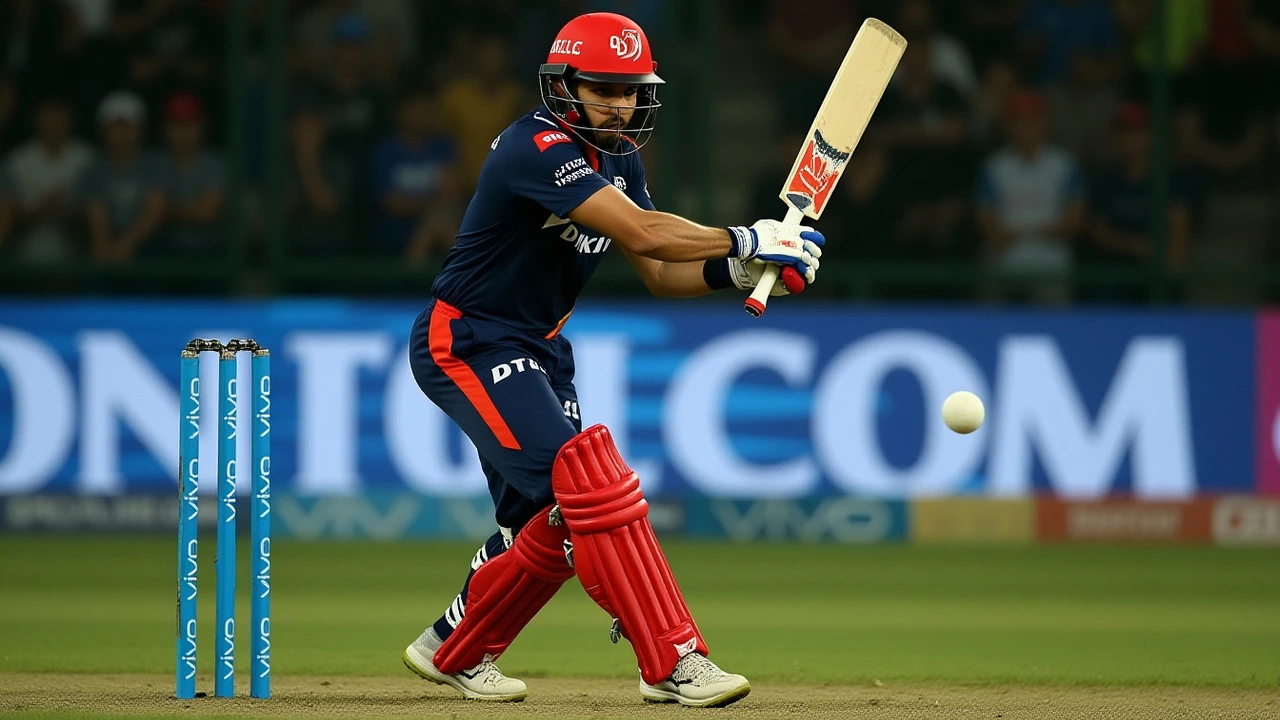
Social media erupted following Sharma’s heroics. Fans praised his technique, timing, and mental toughness. One viral tweet read: “18 ball fifty for Abhishek Sharma, what a knock—he scored 74 off just 28 balls – 5 fours, 8 sixes.”
Meanwhile, pundits debated whether Arshdeep’s struggles stemmed from nerves or tactical missteps. Former cricketer Harbhajan Singh commented via social media: “You can’t afford mistakes like that against players of Abhishek’s caliber. Every wide becomes expensive immediately.”
On the flip side, SRH coach Daniel Vettori hailed Sharma’s contribution: “That’s why we picked him upfront. When he gets going, there’s little any bowler can do to stop him.”
Broader Implications
Beyond individual brilliance, this match highlights broader trends shaping contemporary T20 strategy. Teams are increasingly prioritizing aggressive openers capable of dominating powerplays regardless of opposition quality.
Additionally, the emphasis on maximizing every delivery underscores evolving coaching philosophies focused on minimizing risk through precision rather than relying solely on natural talent.
For Punjab Kings specifically, addressing issues around execution under pressure will prove critical moving forward. Losing key matches due to preventable errors could derail playoff aspirations significantly.
What’s Next?
Looking ahead, both teams face pivotal fixtures determining their postseason prospects. SRH aims to build momentum from this victory while PBKS seeks redemption after another disappointing showing.
Watch closely for adjustments made by respective coaches regarding batting orders and bowling combinations. These decisions often dictate outcomes in tightly contested encounters later down the line.
Frequently Asked Questions
How does Abhishek Sharma's 18-ball fifty compare historically?
It represents the fifth occasion in IPL history where a batter has achieved a half-century within 20 balls. Only Chris Gayle and Rohit Sharma have matched this feat multiple times. Additionally, it ranks as Sharma's second-quickest fifty personally in the tournament.
Why did Arshdeep Singh struggle so badly?
Arshdeep conceded four wides along with several boundaries during his overs. His inability to maintain consistent line and length allowed Sharma to exploit weaknesses effectively. Season statistics show he has yielded 216 runs without claiming a single wicket thus far.
Who else played well besides Abhishek Sharma?
Travis Head opened alongside Sharma and contributed 38 runs off 23 balls before getting out. Together, they formed a devastating opening partnership worth 121 runs, setting up SRH’s dominant position throughout the innings.
What impact does this result have on standings?
While exact points tables vary based on concurrent results, victories strengthen SRH’s playoff chances considerably. Conversely, repeated losses hinder PBKS’ campaign progress substantially, especially considering upcoming challenging matchups against top-ranked sides.