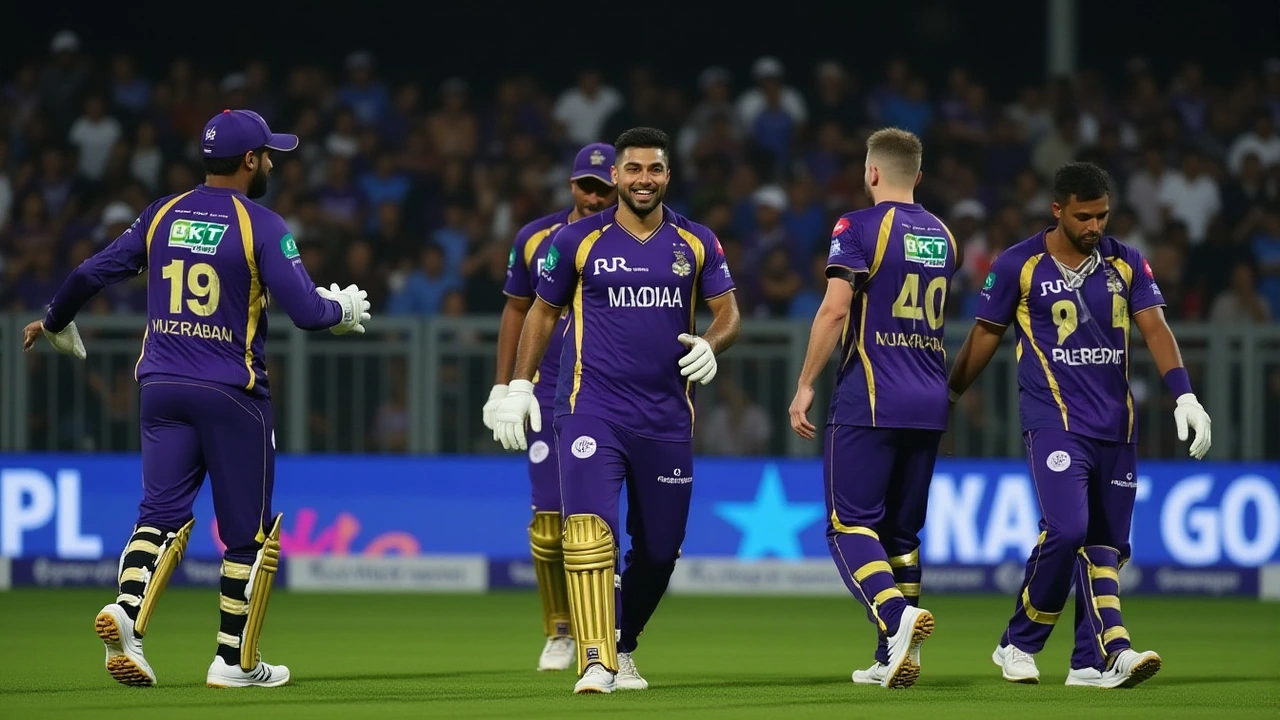
When Blessing Muzarabani, the Zimbabwean fast bowler currently starring for Kolkata Knight Riders, chose to play in the Indian Premier League instead of honoring a commitment to the Pakistan Super League, he didn't expect the backlash. On Tuesday, April 14, 2026, the Pakistan Cricket Board (PCB) handed him a two-year ban from the PSL. The move was immediate, effective, and sent shockwaves through the franchise cricket world just hours before KKR’s crucial match against Chennai Super Kings.
Here’s the thing: this isn’t just about one player missing out on a few games. It’s a bold statement by the PCB that they’re tired of being treated as the ‘second option’ for international stars who prioritize the IPL’s massive paycheck over their league’s integrity. Muzarabani, 29, had initially been signed as a replacement player by Islamabad United after going unsold in both the IPL and PSL auctions. But when KKR came calling with an offer for IPL 2026, he reportedly walked away from Islamabad United.
The Contract Dispute: Verbal Promise vs. Written Word
The core of the conflict lies in what constitutes a binding agreement. According to the PCB’s official media release, Muzarabani “attempted to renege on such commitments without any valid reason,” violating contractual obligations and the principles of good faith governing global professional sports. The board argued that even without a signed paper trail, a verbal agreement held weight—and breaking it was a breach of professional ethics.
But wait—Muzarabani’s management agency tells a different story. In a written statement challenging the PCB’s decision, his manager claimed there was never a formal, written contract between the player and Islamabad United or the PSL. “There were only discussions and oral-level talks,” the manager stated, arguing that since no official document was signed, the charge of ‘breaking a contract’ doesn’t legally stand. This raises serious questions about the PCB’s disciplinary process and whether verbal agreements should carry such heavy penalties in modern cricket.
Why This Matters Beyond the Pitch
This incident highlights the growing tension between the IPL and other T20 leagues like the PSL. With the IPL offering significantly higher salaries and global exposure, many international players are increasingly prioritizing India’s tournament. The PCB, under chairman Mohsin Naqvi, has signaled a tougher stance against players who abandon PSL commitments for IPL opportunities. Muzarabani is now the first high-profile example of this new policy in action.
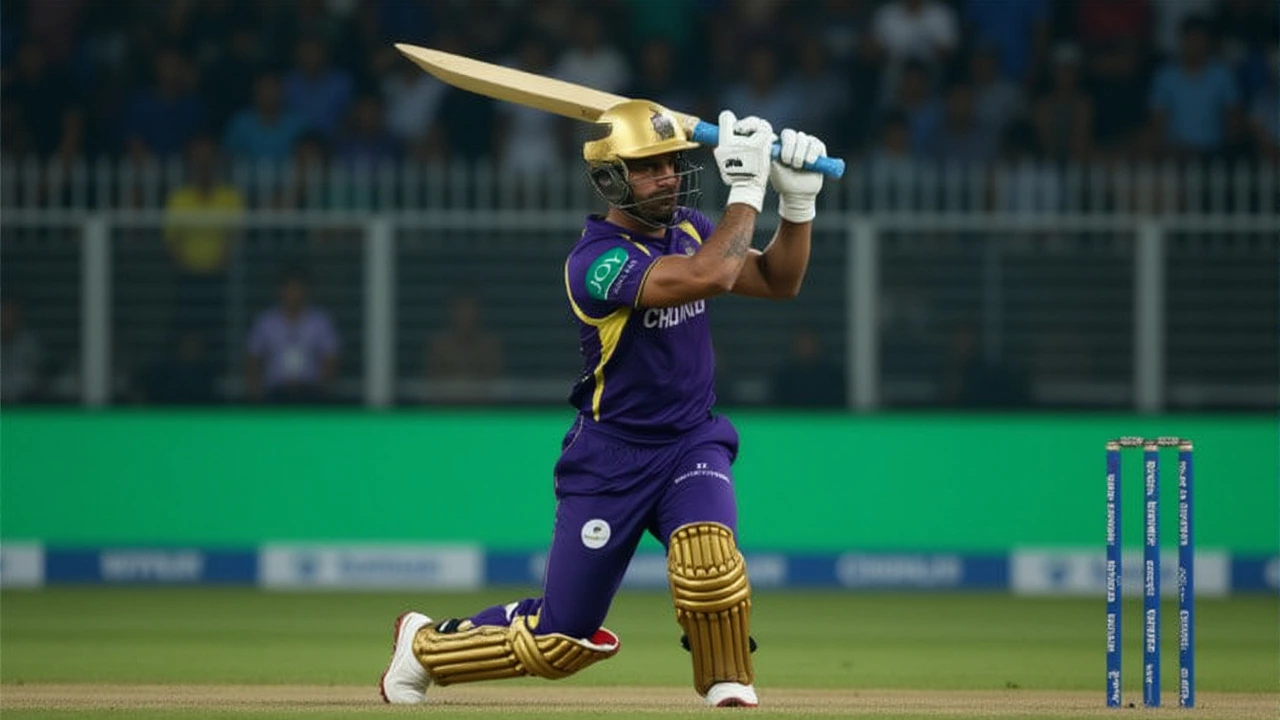
The timing couldn’t have been worse for KKR fans. The ban was announced just before the 22nd match of IPL 2026, scheduled for 7:30 PM IST at Chepauk Stadium in Chennai. While the ban only affects Muzarabani’s eligibility for the next two editions of the HBL PSL, it adds an awkward layer to his participation in the ongoing IPL season. He remains eligible to play for KKR, but the controversy follows him onto the field.
A Precedent That Could Change Franchise Cricket
If the PCB sticks to its guns, this could set a dangerous precedent for how leagues handle player commitments. Other franchises might start demanding stricter contractual terms, including heavy penalties for last-minute withdrawals. Conversely, players may become more cautious about signing up for multiple leagues simultaneously, fearing overlapping schedules and conflicting loyalties.
Interestingly, Muzarabani’s rise to prominence makes this case even more complex. After an impressive performance at the ICC Men's T20 World Cup 2026, he became a sought-after asset. His debut for Mumbai Indians in 2026 marked a turning point in his career, leading to interest from top-tier teams across Asia. Yet, despite his success, the PCB sees his decision to leave Islamabad United for KKR as a betrayal of trust—not just financially, but culturally.
What Happens Next?
Muzarabani faces a tough road ahead. While he can continue playing for KKR in IPL 2026, his absence from the PSL for two years means losing valuable match practice during the winter months. More importantly, if the PCB’s narrative gains traction among other leagues, future contracts could include clauses penalizing players who switch leagues mid-commitment.
For now, the focus shifts to how KKR manages without their star pacer in potential future conflicts. Will they back him publicly? Or will they distance themselves to avoid alienating the PCB? Meanwhile, Islamabad United must find a suitable replacement—a challenge given the short notice and limited pool of available fast bowlers.
Frequently Asked Questions
Is Blessing Muzarabani banned from the IPL?
No, Muzarabani is not banned from the IPL. The two-year suspension applies exclusively to the Pakistan Super League (PSL). He remains eligible to play for Kolkata Knight Riders in IPL 2026 and beyond, unless another governing body imposes restrictions.
Why did the PCB ban Muzarabani?
The PCB cited a breach of commitment after Muzarabani left Islamabad United to join KKR. They argued that even without a written contract, a verbal agreement existed, and abandoning it violated professional ethics and good faith principles in global cricket.
Did Muzarabani sign a formal contract with Islamabad United?
According to Muzarabani’s management, no formal written contract was ever signed. They claim negotiations remained at an oral level, making the PCB’s accusation of contract violation technically invalid. However, the PCB maintains that a mutual understanding was reached and honored by neither party.
How does this affect other players considering PSL and IPL?
This case serves as a warning to international players juggling multiple leagues. Future contracts may include stricter clauses regarding exclusivity and penalty fees for early withdrawal. Players might also face reputational damage if perceived as unreliable by certain boards.
Will Muzarabani appeal the ban?
While no official appeal has been filed yet, Muzarabani’s team has strongly contested the PCB’s findings. An appeal could follow if legal avenues allow challenges based on lack of documented evidence. Until then, the ban stands for the next two PSL seasons.