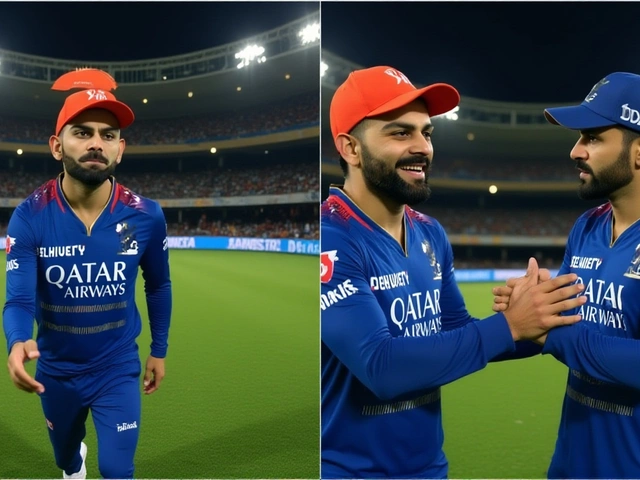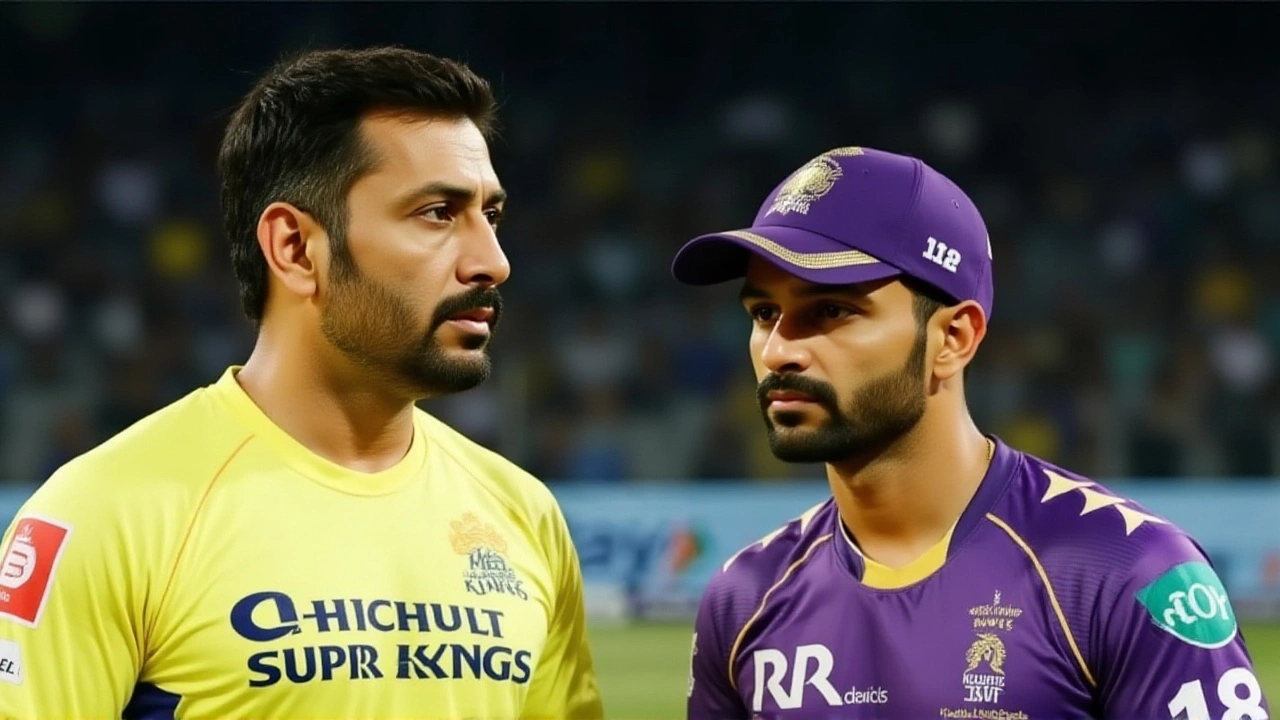
The home crowd in Chennai was treated to a fireworks display of batting as Chennai Super Kings (CSK) piled up a formidable 192/5 against Kolkata Knight Riders (KKR) on April 14, 2026. After Ajinkya Rahane won the toss and opted to bowl first, the decision quickly looked like a gamble that didn't pay off. The match, held at the iconic MA Chidambaram Stadium, turned into a steep climb for the visitors who found themselves gasping for air by the final overs.
Here's the thing: chasing nearly 200 in Chennai isn't just a tactical challenge; it's a mental grind. While the pitch remained consistent throughout the evening, the sheer volume of runs required put KKR on the back foot from the get-go. It was a classic case of one team finding their rhythm early while the other spent the entire night trying to find a way back into the game.
CSK's Dominance and the Samson Surge
The first innings was defined by an aggressive approach from the CSK batting lineup. Sanju Samson was the standout performer, playing with a level of confidence that left the KKR bowlers searching for answers. At one point, Vaibhav Arora was practically a spectator as Samson dispatched him for three consecutive boundaries, sending the local fans into a frenzy.
But wait, KKR did have a fighting chance. Kartik Tyagi emerged as the primary threat for the bowling side. Tyagi managed to break the momentum by claiming two crucial wickets, including the prized scalp of Samson, who was eventually bowled for a well-made 48. Despite Tyagi's discipline and a brief cameo from Dewald Brevis, CSK managed to cross the 190-run mark, setting a target that felt like a mountain.
The final score of 192/5 suggests a balanced game, but the reality on the turf was different. CSK controlled the tempo, using the powerplay and middle overs to ensure they had enough runs to put the pressure squarely on Rahane's men.
The KKR Chase: A Tale of Two Halves
When KKR stepped out for the chase, the atmosphere was electric. The opening pair of Sunil Naren and Fin Allen started cautiously, scraping together 7 runs in the first over. It seemed they wanted to build a foundation before launching an assault. However, the strategy didn't exactly click.
By the time the powerplay ended after six overs, KKR was in a precarious position. They had managed only 37 runs and had already lost two wickets. Rahane and Angkrish Raghuvanshi were both stuck on 6 runs each, leaving the team needing 135 runs from just 72 balls. Turns out, the "slow start" was actually a slow slide toward defeat.
The middle-over struggle was even more pronounced. After 8 overs, the score sat at 58/2, with Rahane on 11 and Raghuvanshi on 21. The urgency was palpable, but the wickets began to tumble. By the 15th over, the situation had turned dire: KKR were 107/6. With 86 runs still required from the final 30 balls, the match had essentially slipped through their fingers.
- CSK Total: 192/5 (20 Overs)
- Top Scorer: Sanju Samson (48 runs)
- KKR Top Bowler: Kartik Tyagi (2 wickets)
- KKR Score at 15 Overs: 107/6
- Requirement: 86 runs needed from 30 balls
Pitch Analysis and Strategic Blunders
Interestingly, the pitch at the MA Chidambaram Stadium was described as "quite good" by team personnel. Unlike some venues where the surface degrades or becomes slower in the second innings, this track remained remarkably consistent. This meant that the traditional advantage of batting first was minimized—yet, KKR's failure to capitalize on the steady surface was glaring.
Experts noted that while scoring a massive total is always challenging, the pitch didn't offer KKR any specific excuses for their batting collapse. The a-priori belief that chasing would be easier due to the dew factor (a common theme in Chennai) seemingly backfired. Instead, the psychological weight of chasing 193 proved too heavy for a lineup that struggled to rotate strike in the middle overs.
What This Means for the Tournament
This result sends a clear signal to the rest of the league: CSK remains a powerhouse at home. For KKR, this is a wake-up call regarding their top-order stability. Losing wickets in the powerplay while failing to keep the run rate above 6 an over is a recipe for disaster in the 2026 season.
The ripple effects of this match will be felt in the points table as we move further into the competition. KKR now needs to find a way to balance their aggressive approach with a more sustainable scoring rate, while CSK can ride this wave of momentum into their next encounter.
Frequently Asked Questions
Why did KKR struggle so much in the chase?
KKR's struggle stemmed from a poor powerplay performance where they only scored 37 runs and lost two wickets. This put immense pressure on the middle order, leading to a collapse that saw them reach 107/6 by the 15th over, making the required run rate mathematically improbable.
How did the pitch at MA Chidambaram Stadium behave?
The pitch was described as consistent and high-quality throughout the match. There were no significant changes in behavior between the first and second innings, meaning the outcome was decided by player performance rather than surface volatility.
Who was the most impactful player for CSK?
Sanju Samson was the most impactful, scoring 48 runs and putting the KKR bowlers on the defensive. His ability to hit boundaries, including three consecutive fours against Vaibhav Arora, set the tone for CSK's massive total of 192.
What was Kartik Tyagi's contribution to KKR?
Kartik Tyagi was the brightest spot in KKR's bowling attack, taking 2 wickets. His most significant contribution was bowling out Sanju Samson for 48, which momentarily halted CSK's aggressive momentum.