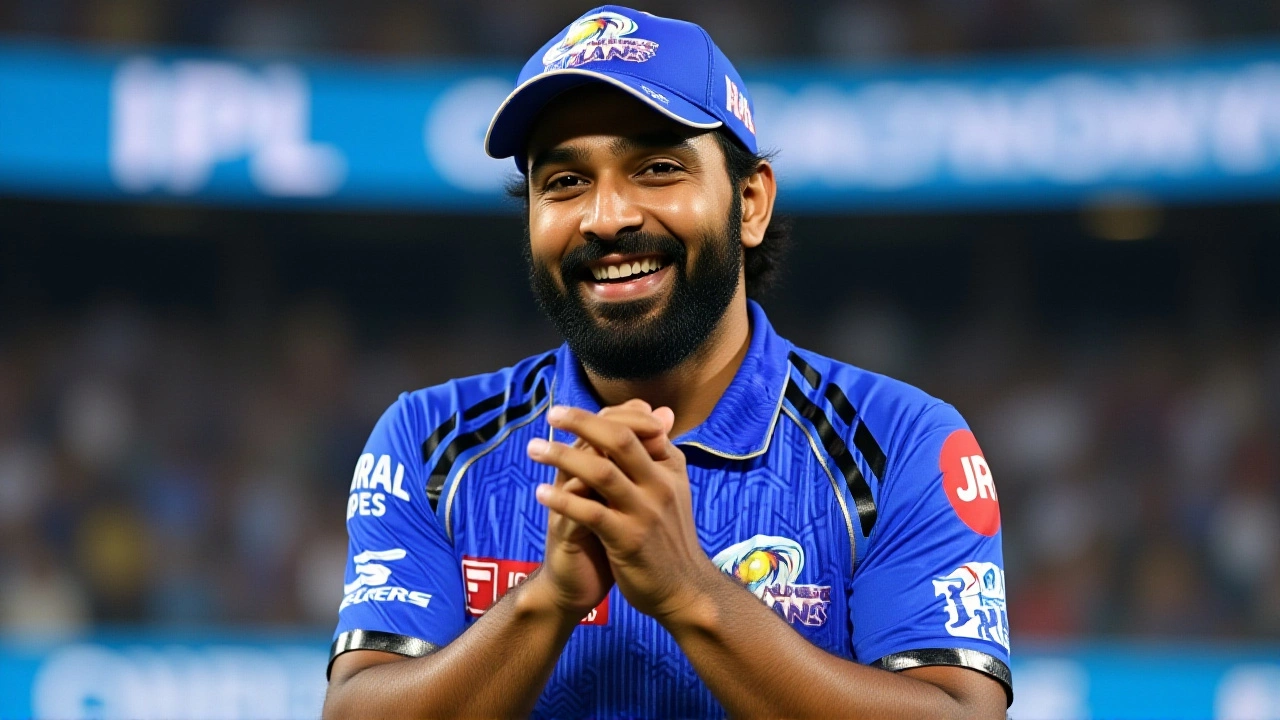
Hardik Pandya won’t take the field for Mumbai Indians in their IPL 2025 opener against Chennai Super Kings on March 23 at M. A. Chidambaram Stadium — not because of injury, not because of form, but because of a clock. The Hardik Pandya, captain of the Mumbai Indians, is serving a one-match suspension imposed by the Board of Control for Cricket in India (BCCI) after his team failed to complete their 20 overs on time during their final league match of IPL 2024 against Lucknow Super Giants on May 17, 2024, at Wankhede Stadium. It was their third over-rate offense that season. The punishment? A ₹30 lakh fine and a ban from the next match. Now, that next match is the season opener of 2025. And here’s the twist: he’s the last captain in IPL history to face this penalty.
Why This Ban Was the Last of Its Kind
Just two days before the IPL 2025 season kicked off, the BCCI held an emergency meeting at its Wankhede Stadium headquarters in Mumbai on March 21, 2025. All team captains and managers were present. The agenda? Over-rate punishments. The decision? A seismic shift. Match bans for captains over slow over-rates are gone. In their place: a demerit point system modeled after the ICC’s global standard. Three demerits within three years? That’s when the ban kicks in. Minor offenses? Just a fine. Repeated? A warning. Only extreme, flagrant delays — think deliberate stalling — will trigger suspension. Pandya’s ban, then, is a historical footnote. The last time a captain was sidelined for something as mundane as a slow bowling change.
"It’s unfortunate," Pandya told reporters during Mumbai Indians’ pre-season press conference on March 19. "Last year what occurred is part of the sport. We bowled the last over one-and-a-half or two minutes late. At that point, I didn’t know the consequences." His tone wasn’t bitter. It was resigned. He knew the rules. He just didn’t think they’d be applied so rigidly — especially when the team was already out of playoff contention. That’s the cruel irony. Mumbai Indians were eliminated from playoff contention before that match against Lucknow Super Giants. The game meant little. Yet, the penalty carried weight.
Who Steps In? Suryakumar Yadav Takes the Helm
With Pandya sidelined, the captain’s armband goes to Suryakumar Yadav. The 33-year-old batter, already India’s T20I captain, is no stranger to leadership. He’s calm under pressure, quick to adapt, and has a knack for finishing games. His presence steadies a team already reeling from another major absence: Jasprit Bumrah.
Bumrah, the spearhead of Mumbai’s bowling attack, remains sidelined due to a persistent lower-back injury sustained in January 2025. Head coach Mahela Jayawardene confirmed during a press meet in Mumbai: "He’s just started his progress. We have to wait and see what their [BCCI medical team] feedback is on him." Without Bumrah, and now without Pandya, Mumbai’s opening fixture feels like a test of depth — not just talent, but resilience.
A Season of Unsettling Transitions
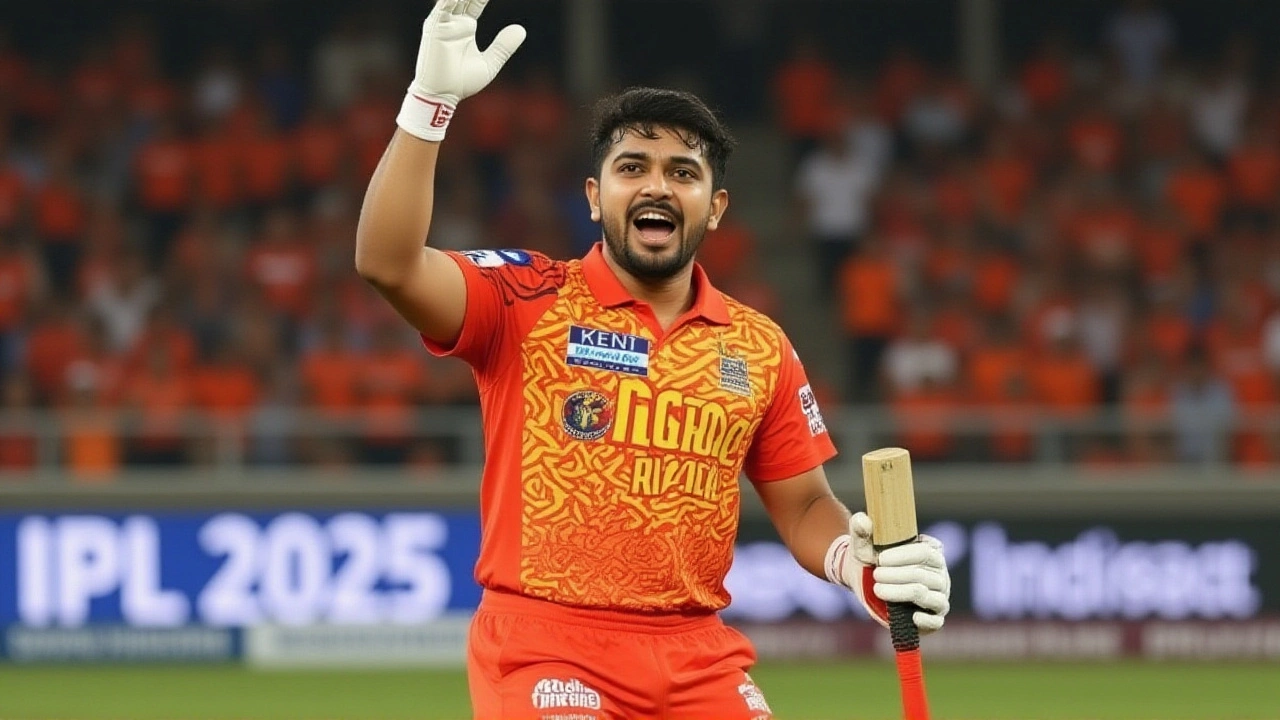
Pandya’s captaincy has been a turbulent ride. He took over from Rohit Sharma in 2023 after a trade from Gujarat Titans — a move that divided fans. Many saw it as a rushed decision. The 2024 season confirmed their fears. Mumbai Indians became the first team to exit the playoffs race that year, finishing ninth out of ten. The slow over-rate offense wasn’t the only issue. It was the culmination of a season where leadership, strategy, and execution all faltered. Pandya’s personal performance dipped too. He averaged just 24.6 with the bat in IPL 2024 — his lowest in five seasons.
But this ban isn’t just about him. It’s about how cricket’s administrative culture is changing. The BCCI’s decision to adopt ICC’s demerit system reflects a global trend: moving away from knee-jerk punishments toward structured, long-term accountability. The old rule punished captains for team-wide inefficiencies. The new one treats it like a traffic violation — points accumulate. One missed over? One point. Two? Two points. Three in three years? Suspension. It’s fairer. It’s scalable. And it’s less likely to punish a captain for a slow field change during a rain delay or a medical timeout.
What’s Next? The Impact Player Debate Rages On
While the over-rate rule changed, another contentious issue was locked in: the Impact Player rule. The IPL governing council announced it will remain active until at least the 2027 season — despite strong opposition from players like former captain Rohit Sharma. Sharma, now retired from T20Is, argued in a recent interview that the rule is stifling the development of all-rounders. "Teams are replacing genuine all-rounders with specialist batters or bowlers," he said. "That’s not cricket. That’s chess with a bat."
Coaches like Jayawardene have quietly accepted the rule, but players are frustrated. In 2024, teams like Gujarat Titans and Sunrisers Hyderabad used the Impact Player to swap out bowlers for extra batters in the death overs. The result? Higher scores, shorter matches, and fewer opportunities for young all-rounders to learn how to bowl under pressure.
So while Pandya’s ban ends a chapter, the bigger story continues. The game is evolving — faster, more tactical, more commercial. But at what cost? Will the next generation of Indian cricketers grow up knowing how to bowl in the 19th over — or just how to hit sixes?
Frequently Asked Questions
Why was Hardik Pandya banned for a slow over-rate when his team was already out of the playoffs?
The IPL’s Code of Conduct applies regardless of playoff status. Mumbai Indians’ slow over-rate in their May 17, 2024 match against Lucknow Super Giants was their third such offense that season, triggering an automatic one-match ban under the rules at the time. Even if the game had no stakes, the regulation was enforced uniformly — a point the BCCI emphasized to maintain consistency across all matches.
Who will lead Mumbai Indians in Hardik Pandya’s absence, and how experienced is he?
Suryakumar Yadav will captain Mumbai Indians in Pandya’s absence. He’s led India in T20Is since 2023 and has captained Mumbai Indians in 18 matches across IPL 2022 and 2023 when Pandya was injured. His leadership record is strong: under his captaincy, Mumbai posted the highest T20 batting average in 2023. He’s calm under pressure and known for innovative shot selection — traits that will be vital without Bumrah and Pandya.
How does the new over-rate rule work in IPL 2025?
Under the new ICC-aligned system, captains now receive demerit points for slow over-rates — one point per offense, with three points within three years triggering a ban. Fines start at ₹5 lakh for the first offense, rising to ₹15 lakh for the third. Match bans are reserved for extreme cases: repeated delays, intentional stalling, or refusal to comply with umpires. This replaces the old rule where a third offense meant an automatic one-match ban — no exceptions.
Why did the BCCI change the rule now?
The change came after pressure from international stakeholders and a review of ICC’s global standards. The BCCI acknowledged that the old rule was inconsistently applied — some captains were punished for minor delays while others weren’t. The new system brings IPL in line with Test and ODI cricket, reduces subjectivity, and allows for context like weather or injury timeouts. Pandya’s ban was the final straw that pushed the change into motion.
Is Jasprit Bumrah likely to return during IPL 2025?
Bumrah’s return remains uncertain. He’s been in rehabilitation at the BCCI’s Centre of Excellence in Bengaluru since January 2025. Coach Mahela Jayawardene said he’s "just started his progress," and no timeline has been given. His absence is a major blow — Bumrah took 22 wickets in IPL 2024 at an economy of 6.8. Without him, Mumbai’s death bowling lacks its most reliable weapon.
What’s the impact of extending the Impact Player rule until 2027?
Extending the rule means Indian all-rounders will continue to be sidelined in favor of specialist players. In 2024, 78% of Impact Player substitutions replaced all-rounders. Former captain Rohit Sharma warned this could stunt the growth of future Indian all-rounders — the very players who traditionally made India strong in global tournaments. Teams now prioritize pure batters or pure bowlers, reducing the need for balanced players — a shift that could affect India’s World Cup squad building.