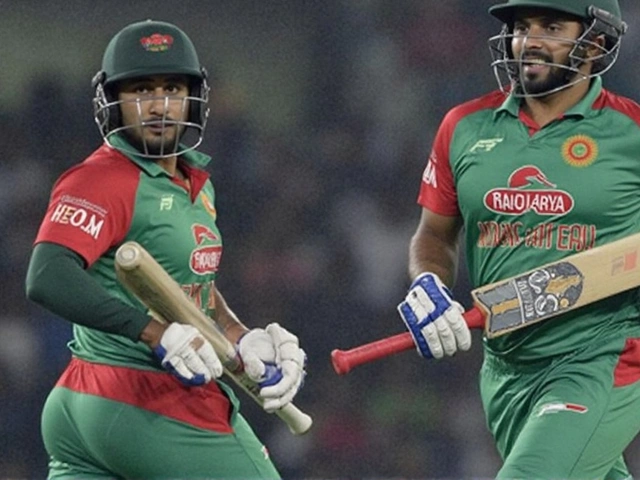
Indian cricket didn't just show up at the Wisden Cricketers' Almanack 2026 awardsLondon; they took over. When the honours list was released on April 13, 2026, the headline wasn't just about individual brilliance—it was about a collective takeover. Indian players swept seven of the nine major prizes in the publication’s 163rd edition, a feat that has commentators calling it a new era of dominance in global cricket recognition.
Here’s the thing: this isn’t just another award season. It’s a statement. From Shubman Gill, who delivered a historic Test performance, to Deepti Sharma, crowned the world’s leading women’s cricketer, India’s presence was everywhere. Even the non-Indian winners—Australia’s Mitchell Starc and England’s Haseeb Hameed—were the exceptions that proved the rule.
A Historic Sweep in London
The release of the Wisden Cricketers' Almanack awards always carries weight. Often called the "bible of cricket," its selections are seen as the gold standard of annual recognition. But the 2026 edition? That was different. Out of nine primary honours—including the prestigious Five Cricketers of the Year and three global leading player titles—India claimed seven.
Turns out, the year 2025 was a banner one for Indian cricket across all formats. The performances weren’t scattered; they were concentrated, impactful, and undeniable. Lawrence Booth, editor of the Almanack, selected the Five Cricketers of the Year based on impact, consistency, and sheer excellence. And four of those five slots went to Indians.
The list reads like an Indian team sheet: Shubman Gill, captain of the Indian Test team; Ravindra Jadeja, the dynamic all-rounder; Rishabh Pant, the game-changing wicketkeeper-batter; and Mohammed Siraj, the spearhead of the fast bowling attack. The only non-Indian in the quintet was Haseeb Hameed, captain of Nottinghamshire, whose county form kept him in the conversation.
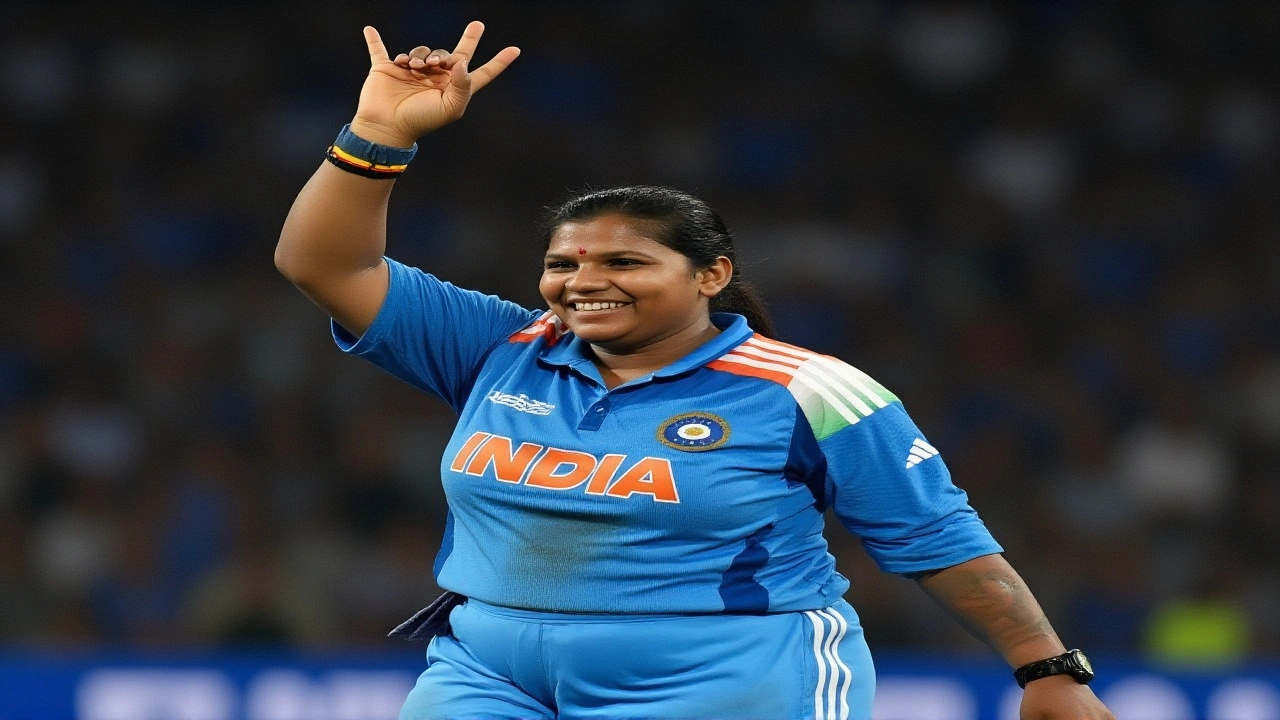
Deepti Sharma: The Queen of Global Cricket
But wait, there’s more. In a category often overshadowed by men’s cricket, Deepti Sharma didn’t just win; she dominated. Named "Leading Women's Cricketer in the World," her selection was rooted in her masterclass during the 2025 ICC Women's ODI World Cup.
She scored 215 runs and took 22 wickets in that tournament alone. Oddly enough, these numbers might sound modest until you remember the pressure cooker environment of a World Cup final series. Her contributions were decisive, helping India lift the trophy for the first time in years. Reports noted she also won the "Best Player of the Tournament" award then, making her Wisden honour a coronation rather than a surprise.
Her career stats back up the hype: 124 ODIs with 2,771 runs and 166 wickets. She’s not just good; she’s consistent. As one analyst put it, "Deepti is the complete package—batting with intent, bowling with precision, and fielding with energy."
Abhishek Sharma: The T20 King
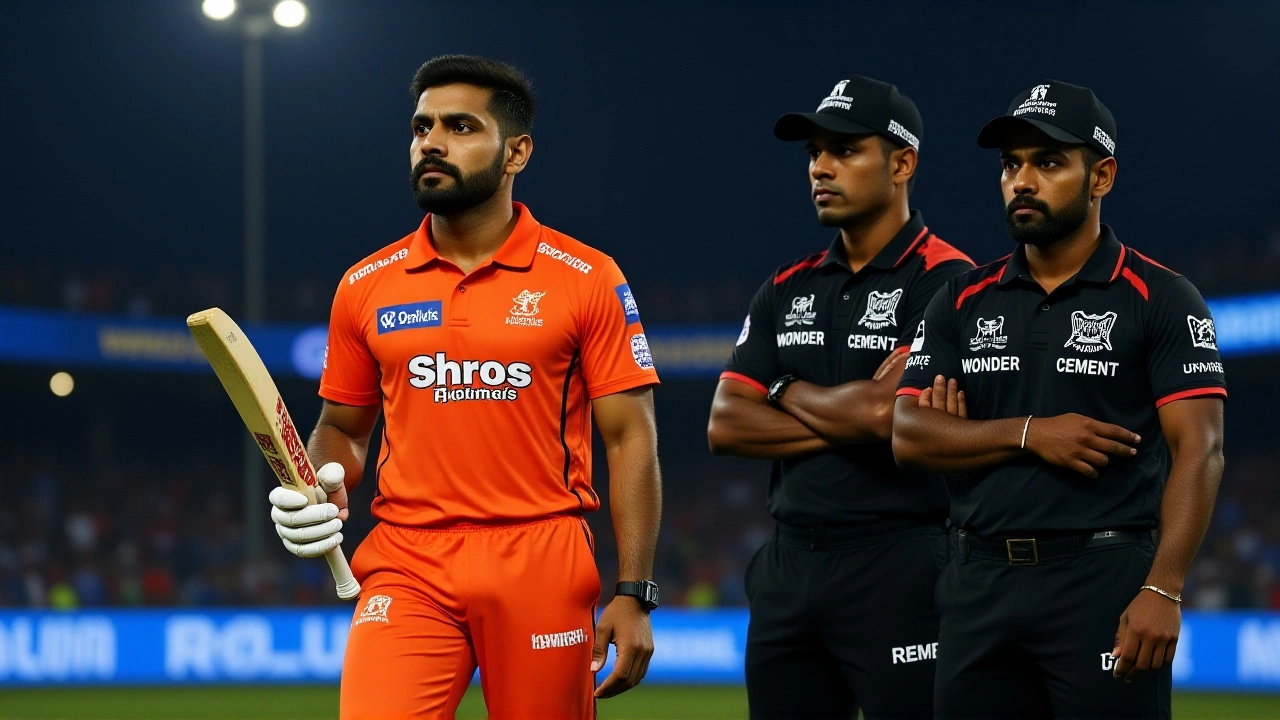
On the other side of the format spectrum, Abhishek Sharma was named "Leading T20 Cricketer in the World." If 2025 had a theme for Abhishek, it was "explosive." He played 21 T20 Internationals, scoring 859 runs at a strike rate of 193. One century. Five half-centuries.
That’s not just batting; that’s bullying the opposition. His ability to clear the ropes from ball one made him a nightmare for bowlers worldwide. Hindi media dubbed him the "T20 King," and honestly? It fits. His performance wasn’t just about runs; it was about changing the momentum of games single-handedly.
Compare that to previous years where T20 specialists struggled to maintain consistency across formats. Abhishek did it with style. His selection signals a shift in how T20 batting is valued—aggression isn’t just welcome; it’s rewarded.
Gill’s Masterpiece at Edgbaston
Then there’s Shubman Gill. While he was part of the Five Cricketers of the Year, his standout moment came in the Edgbaston Test match during India’s tour of England in summer 2025. He scored 430 runs in that single match—a tally described as the second-highest aggregate ever recorded in a Test innings.
He won the Wisden Trophy for the outstanding individual Test performance of the year. Let that sink in. In a sport where centuries are celebrated, double centuries are rare, and triple centuries are legends, Gill almost hit a quadruple. His innings wasn’t just technically brilliant; it was mentally dominant. He batted through fatigue, pressure, and hostile conditions to lead India to victory.
This performance cemented his status as one of the finest batters of his generation. It also highlighted the depth of Indian talent. You can’t have four players in the Five Cricketers of the Year unless you have a system that produces them consistently.
The Bigger Picture: What This Means for Cricket
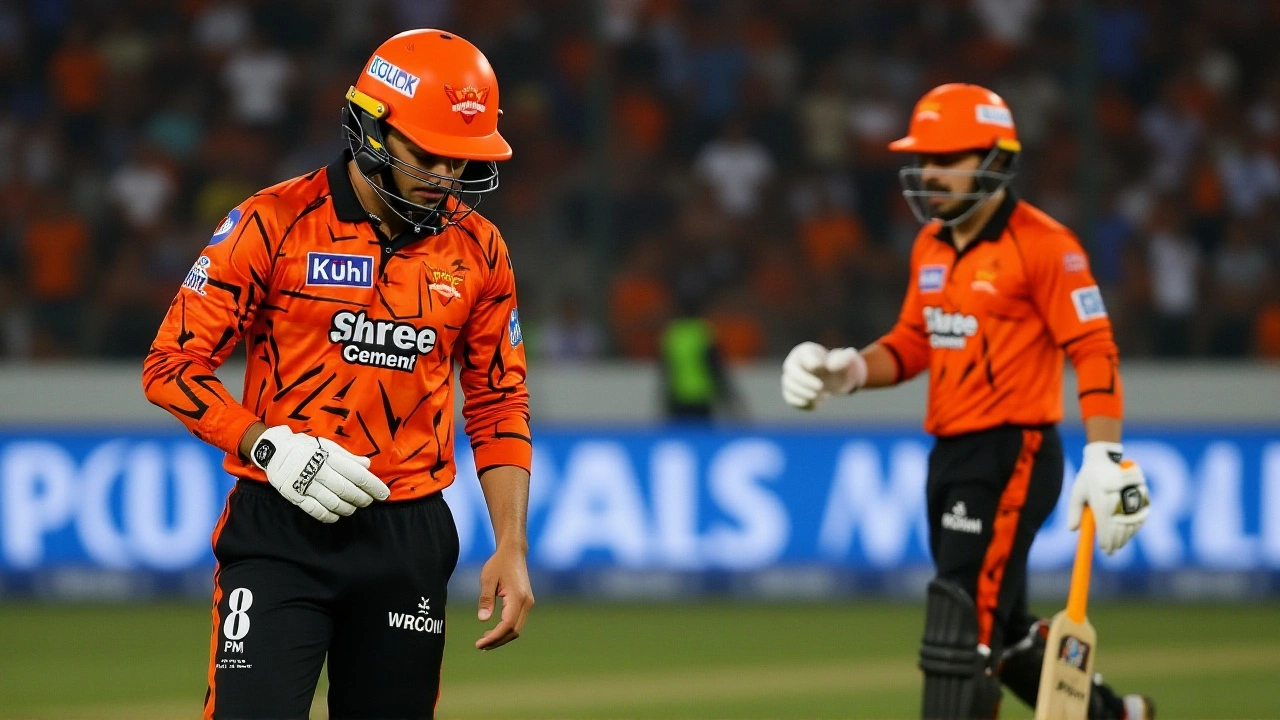
So, why does this matter? Because it reflects a broader trend. Indian cricket is no longer just strong in home conditions. They’re winning overseas, dominating limited-overs tournaments, and producing stars who excel in every format. The Wisden awards are a mirror of that reality.
Experts point out that this level of dominance hasn’t been seen since the early 2000s when Australia ruled the roost. But unlike Australia’s era, which was built on pace and bounce, India’s rise is multifaceted—batting depth, spin mastery, and tactical flexibility.
For fans, it’s a reason to celebrate. For competitors, it’s a warning shot. The next cycle of international cricket will be defined by how teams respond to Indian supremacy.
Frequently Asked Questions
Who are the Indian winners of the Wisden 2026 awards?
Seven Indian cricketers won major honours: Shubman Gill, Ravindra Jadeja, Rishabh Pant, and Mohammed Siraj were named among the Five Cricketers of the Year. Deepti Sharma was named Leading Women's Cricketer in the World, and Abhishek Sharma was named Leading T20 Cricketer in the World.
Why did Shubman Gill win the Wisden Trophy?
Gill won the Wisden Trophy for his outstanding individual Test performance at Edgbaston in 2025, where he scored 430 runs in a single match. This innings was the second-highest aggregate ever recorded in a Test match and was pivotal in India's series victory against England.
What were Deepti Sharma's key statistics in the 2025 World Cup?
During the 2025 ICC Women's ODI World Cup, Deepti Sharma scored 215 runs and took 22 wickets. Her all-round contributions were crucial in India's tournament victory, earning her the title of Leading Women's Cricketer in the World for the 2026 Almanack.
Who were the non-Indian winners in the main Wisden honours?
Only two non-Indians received major honours. Australian fast bowler Mitchell Starc was named Leading Men's Cricketer in the World, and English batter Haseeb Hameed, captain of Nottinghamshire, was one of the Five Cricketers of the Year.
How significant is India's seven-out-of-nine sweep historically?
It is considered one of the most dominant performances by a single nation in the history of the Wisden Cricketers' Almanack. Analysts compare it to Australia's dominance in the early 2000s, signaling a new era of Indian supremacy across all cricket formats.