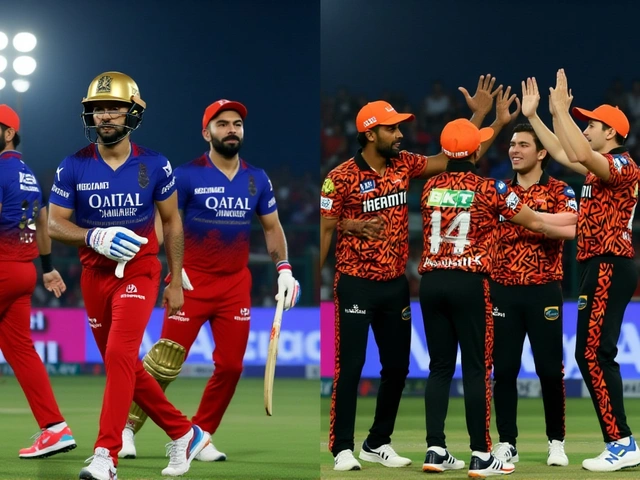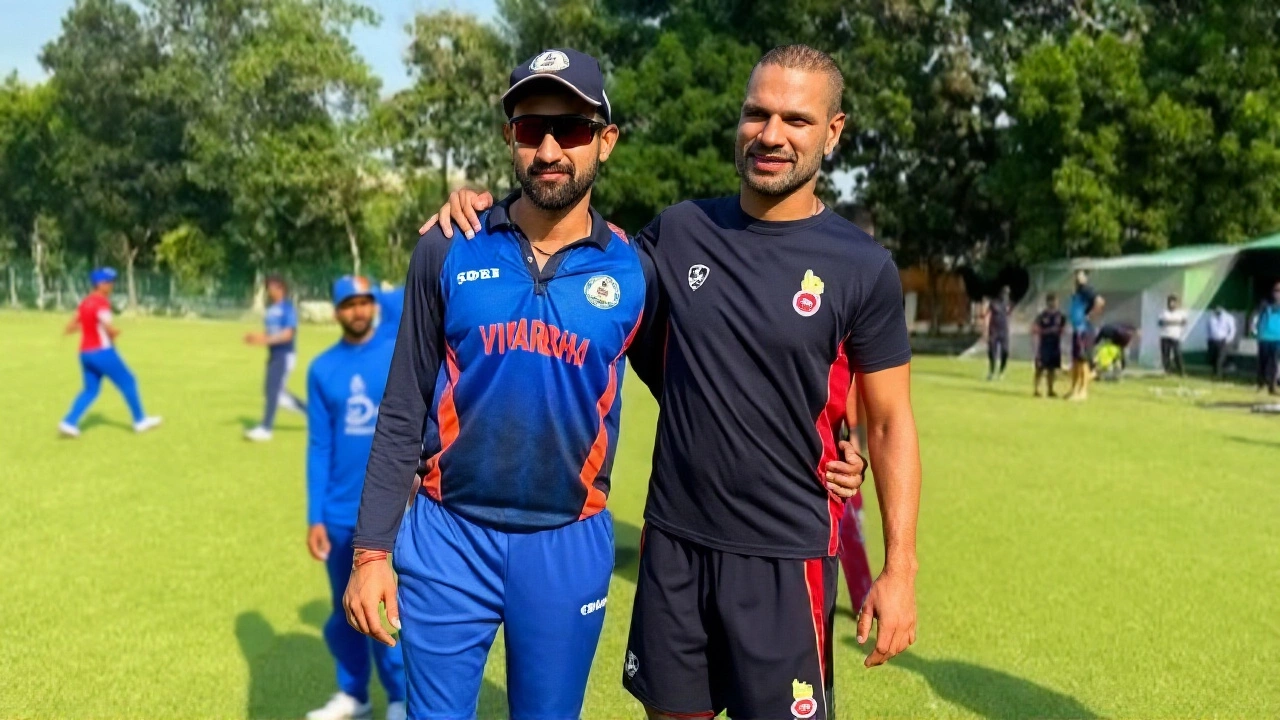
It's not just about the glitz of the stadium lights or the roar of the crowd. For a new wave of cricketers, the Indian Premier League (IPL) has become a literal ticket out of poverty. Several players, having secured massive paydays in the 2025 and 2026 auctions, are now turning their sights toward one specific goal: buying houses for their parents. For these athletes, the auction hammer didn't just signal a professional contract; it ended years of living in rented rooms and financial instability.
Here's the thing: while the world sees the multimillion-dollar figures, the backstories are often heartbreaking. We're talking about parents selling jewelry to buy food and fathers working three different jobs just to afford a cricket kit. For players like Priyansh Arya and Kartik Sharma, the money isn't for luxury cars or fancy watches—it's for a roof of their own.
The 14 Crore Miracle in Bharatpur
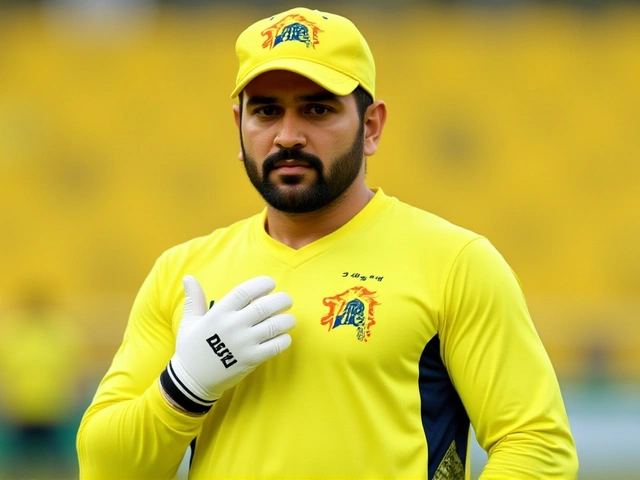
Perhaps the most staggering turnaround is that of Kartik Sharma. At just 19 years old, the youngster from Bharatpur, Rajasthan, saw his life change instantly when Chennai Super Kings (CSK) snapped him up in the IPL 2026 auction for a whopping 14.20 crore rupees (roughly $1.7 million).
But the road to that paycheck was brutal. Sharma didn't grow up in a cricket academy; he lived near a petrol pump on Roopvas Road in the Derapur area. His father, Manoj Sharma, worked as a private tutor and did odd jobs in water and cold drink supply. His mother, Radha Sharma, worked as an Anganwadi worker. Turns out, the family's desperation was so deep that they sold their only small plot of land and Radha sold her jewelry just to keep Kartik fed and training.
"Our family's financial situation is poor, but now it may improve," Manoj Sharma admitted during a homecoming celebration organized by the Bharatpur District Cricket Association. For Kartik, the windfall is a chance to undo the sacrifices his parents made, turning a childhood of scarcity into a future of security.
From Rented Flats to Family Estates
The trend isn't limited to one region or gender. Richa Ghosh, a powerhouse finisher for the Indian national team, experienced a similar emotional surge. During the Women's Premier League 2023 auctionIndia, she was bought by Royal Challengers Bangalore for 1.90 crore rupees—nearly four times her base price.
Richa's father, a local cricket umpire in Kolkata, has spent his life in rented housing. "I now want to buy a good house for my father," Richa stated, reflecting on the struggle her parents endured to support her journey through 17 ODIs and 31 T20 Internationals. For her, the house is a symbol of peace and a reward for her parents' lifelong grit.
Similarly, 23-year-old Priyansh Arya of Delhi found himself in the spotlight after a standout performance in the Delhi Premier League. After hitting six sixes in a single over against Manan Bhardwaj, the Punjab Kings bought him for 3.8 crore rupees in the 2025 auction. Despite his parents being teachers, they could never afford a home in the expensive Delhi real estate market. Arya has since vowed to use his earnings to secure a home for his father, effectively erasing the family's financial struggles in one decisive moment.
A Pattern of Sacrifice and Reward
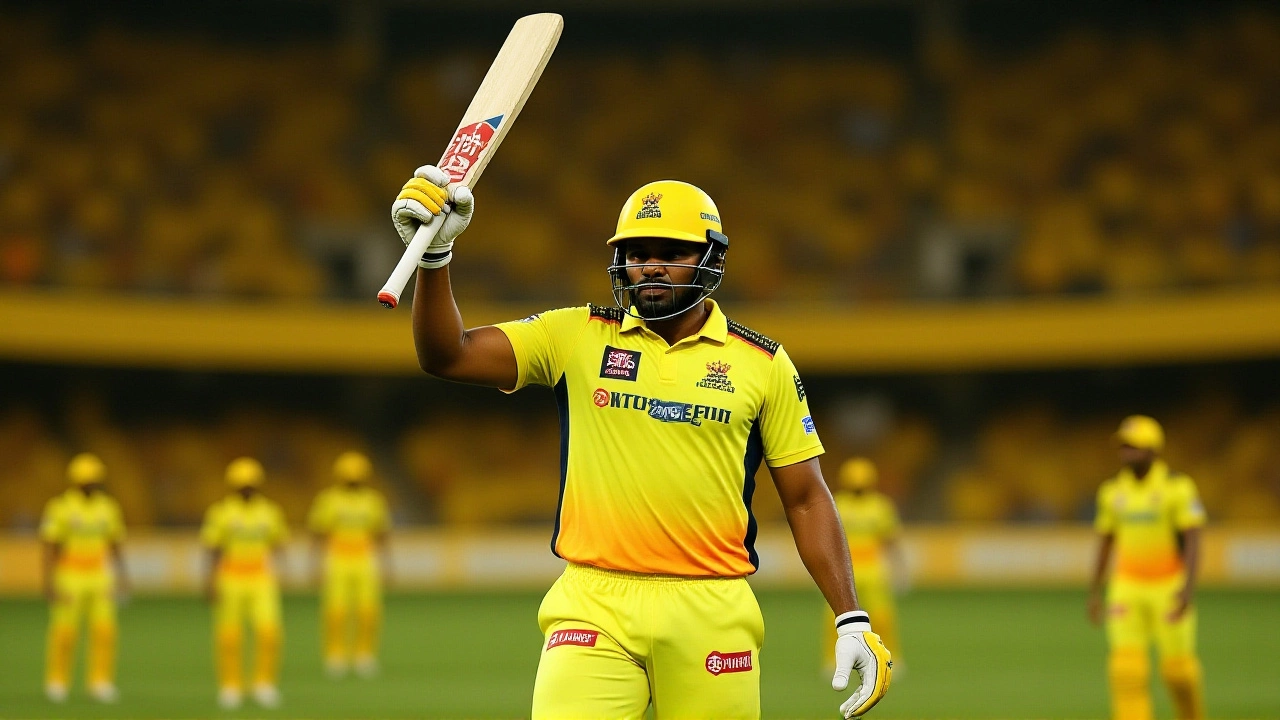
When you look at the numbers, the scale of this transformation is wild. From Shubham Dubey (bought by Rajasthan Royals for 5.6 crore) to Prashant Veer (another CSK acquisition for 14.20 crore), the narrative is the same: extreme hardship followed by a sudden, life-altering windfall.
Industry insiders note that this reflects a growing trend where the IPL is acting as a social elevator. In previous eras, a player from a village in Rajasthan or a rented room in Delhi might have had the talent but lacked the means to even reach a scout. Now, with the expansion of regional leagues and the massive capital in the IPL, the financial risk for a family to support a budding athlete is occasionally met with a reward that changes their lineage for generations.
Key Financial Impact Summary
- Kartik Sharma: 14.20 crore rupees (CSK) - Moving from a petrol pump dwelling to property owner.
- Prashant Veer: 14.20 crore rupees (CSK) - Significant wealth generation for an Amethi-based family.
- Shubham Dubey: 5.6 crore rupees (RR) - Transitioning from middle-order struggle to financial stability.
- Priyansh Arya: 3.8 crore rupees (PBKS) - Solving long-term renting issues for teacher parents.
- Richa Ghosh: 1.90 crore rupees (RCB) - Rewarding a local umpire's career with homeownership.
What Happens After the Big Check?
The big question now is sustainability. While a 14 crore check is a windfall, these players are young. Some are barely out of their teens. Financial advisors in the sporting world often warn that the jump from poverty to extreme wealth can be jarring. The priority for these players—buying homes—is a smart move, as it converts liquid cash into a stable, appreciating asset.
The ripple effects go beyond the individual players. In places like Bharatpur, Kartik Sharma is now a local hero. His success proves to other impoverished youths that cricket is a viable path to social mobility. However, the details of how many of these players will maintain this wealth long-term remain unclear. For now, the focus is on the immediate relief of knowing their parents will never have to pay rent again.
Frequently Asked Questions
Why are these IPL players specifically focusing on buying houses?
Many of these players, such as Kartik Sharma and Priyansh Arya, come from backgrounds where they lived in rented accommodations or extreme poverty. Buying a home provides permanent security for their parents, who often made massive financial sacrifices—like selling land and jewelry—to fund their children's early training.
How much did Kartik Sharma earn in the IPL 2026 auction?
Kartik Sharma was purchased by the Chennai Super Kings for 14.20 crore rupees. This amount is particularly significant given his background living near a petrol pump in Bharatpur and his parents' work as a private tutor and Anganwadi worker.
Who is Richa Ghosh and what was her auction story?
Richa Ghosh is a finisher for the Indian national team. In the WPL 2023 auction, she was bought by Royal Challengers Bangalore for 1.90 crore rupees, which was nearly four times her base price of 50 lakh. She intends to use this money to buy a house for her father, who works as a local umpire in Kolkata.
What led to Priyansh Arya's selection by Punjab Kings?
Arya gained attention in the Delhi Premier League while playing for the South Delhi Superstars. His most notable feat was hitting six sixes in six consecutive deliveries against bowler Manan Bhardwaj, which caught the eye of the Punjab Kings scouts and led to his 3.8 crore rupee auction price.
Which teams were the biggest spenders for these specific players?
Chennai Super Kings was a major player, spending 14.20 crore each on both Kartik Sharma and Prashant Veer. Other teams including Punjab Kings, Rajasthan Royals, and Royal Challengers Bangalore also provided transformative sums ranging from 1.90 crore to 5.6 crore rupees.