When Chennai Super Kings dropped ₹8.4 crore on Sameer Rizvi at the IPL 2024 mega auctionDubai World Trade Centre, it wasn’t just a bid — it was a gamble on potential. The 21-year-old Uttar Pradesh batter, with zero IPL appearances and no international caps, had never even met MS Dhoni in person. Yet, in one moment, he became the most expensive uncapped player of the auction. Here’s the twist: less than a year later, he was sold for less than one-tenth of that price.
The ₹8.4 Crore Mirage
Rizvi’s rise was built on domestic fire. For Uttar Pradesh Cricket Association, based in Lucknow, he was the clutch middle-order hitter who could clear boundaries with ease. His T20 record for Uttar Pradesh screamed ‘future star.’ But the IPL doesn’t just reward domestic form — it rewards hype, timing, and the emotional pull of a Dhoni-led franchise. Chennai Super Kings, fresh off a rebuilding phase, saw in Rizvi the kind of explosive finisher they’d lacked since Suresh Raina’s decline. The bid wasn’t just about stats — it was about legacy. Rizvi, overwhelmed, called it an “unreal feeling.” He didn’t know what he was stepping into.The Crash Landing
IPL 2024 was brutal. Across five innings, Rizvi managed just 51 runs at a paltry average of 12.75 and a strike rate of 118.60 — decent for a T20 opener, but disastrous for a middle-order finisher expected to accelerate. He got out to poor shots. He looked out of sync. He never looked like the man who’d terrorized domestic bowlers. Chennai Super Kings, despite their reputation for nurturing talent, couldn’t afford to wait. By the end of the season, whispers turned into loud questions: Was this a case of overhype? Or was Rizvi simply unready for the glare of the IPL?The ₹95 Lakh Comeback
Enter Delhi Capitals. In the IPL 2025 mega auction, held in November 2024, they took a calculated risk. Rizvi’s base price was ₹30 lakh. They paid ₹95 lakh — more than triple — but still just 11% of what CSK had spent. The move wasn’t desperation. It was redemption. Delhi Capitals, co-owned by the GMR Group and JSW Group, and led by CEO Parth Jindal, saw something others didn’t: a young batter with raw talent who’d been crushed by expectation.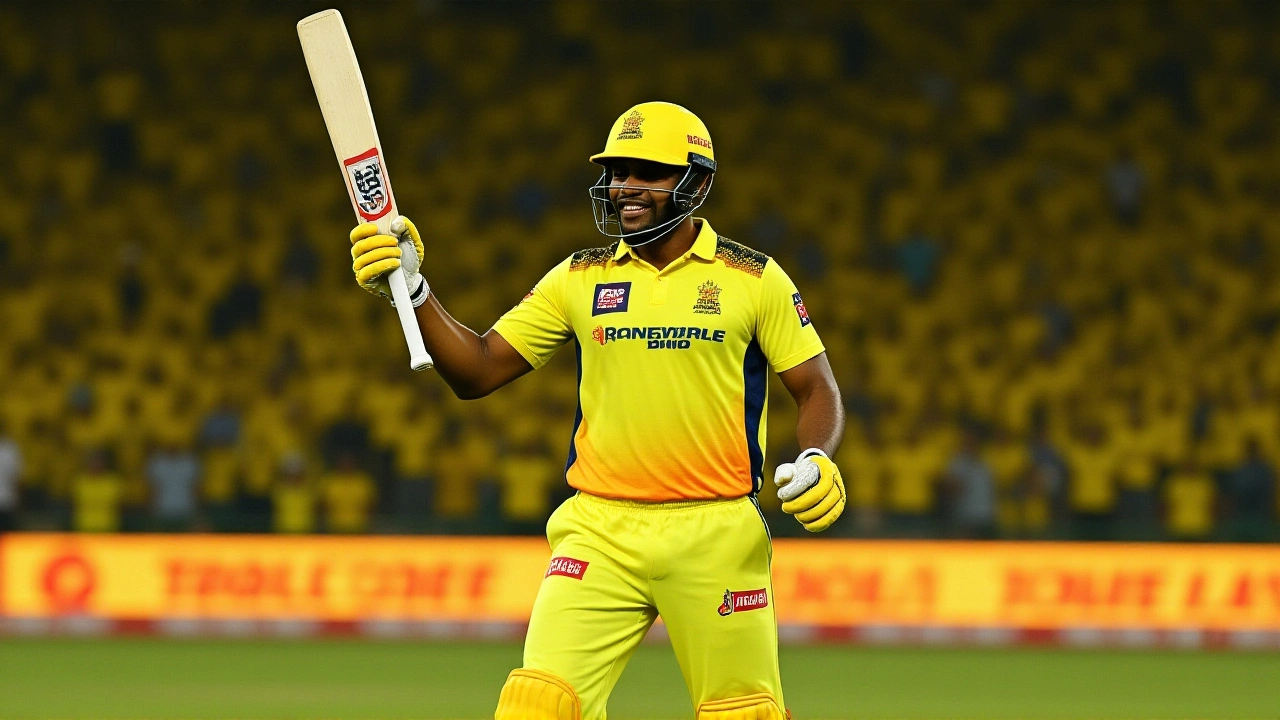
The Turning Point
The IPL 2025 season, which began in March and culminated with the final on May 25, 2025, became Rizvi’s stage. He started slow — three ducks, two low scores. Fans were ready to write him off again. But then came May 24, 2025, against Punjab Kings. Chasing 198 in a high-pressure chase, Rizvi walked in at 132/4. He didn’t just survive — he seized control. He smashed 47 off 29 balls, including five sixes, steering Delhi to victory with three balls to spare. The crowd roared. His teammates mobbed him. For the first time, the name Sameer Rizvi wasn’t a cautionary tale — it was a revelation.Why This Matters
Rizvi’s journey exposes the brutal economics of the IPL. Player values aren’t based on consistency — they’re based on perception. A single auction can turn a domestic hero into a millionaire overnight. Another can strip him bare. His ₹8.4 crore to ₹95 lakh drop — an 88.7% plunge — is the steepest fall for any uncapped player in IPL history. But it’s also a reminder: the game doesn’t end with a bid. It begins there.Cricket analysts point to his Uttar Pradesh record as proof he has the tools. His problem wasn’t skill — it was pressure. CSK’s environment, with Dhoni’s shadow looming, was too heavy. Delhi, with its younger squad and less baggage, gave him space to breathe. That’s the real lesson here. Talent needs the right soil.
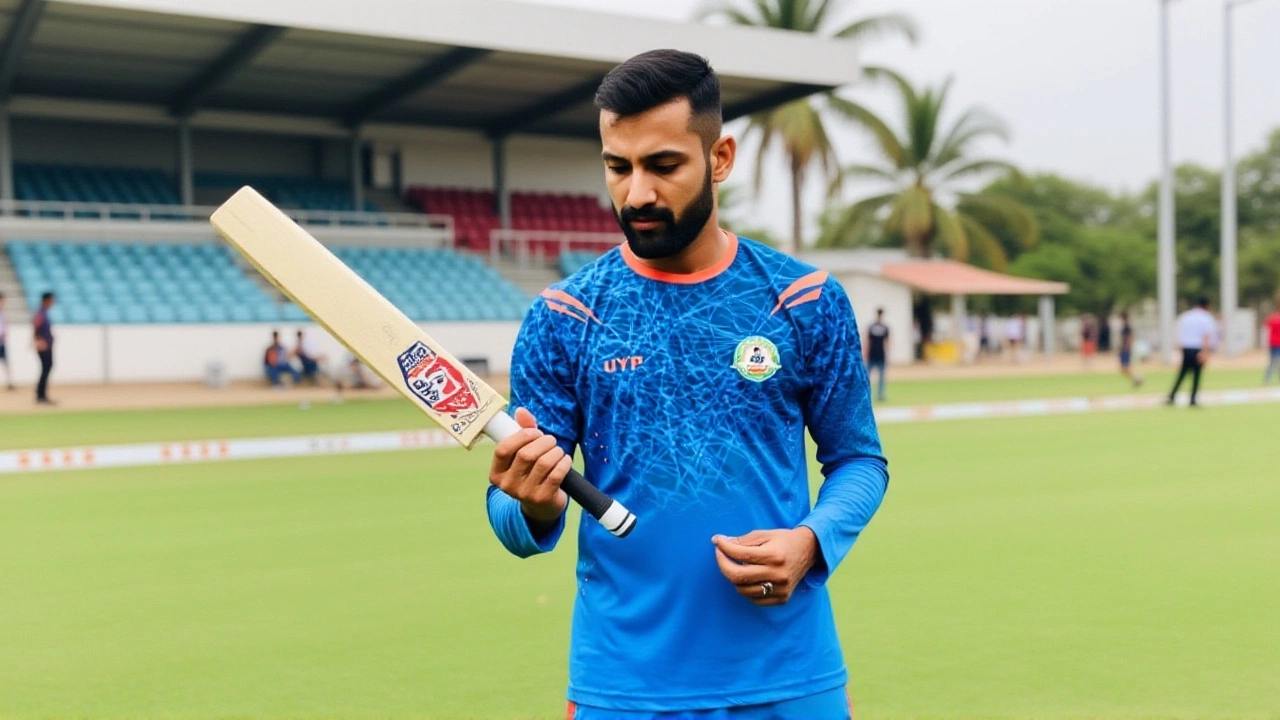
What’s Next?
Rizvi’s future now hinges on whether he can turn this single innings into a season-defining run. If he scores 300+ runs in Delhi’s remaining matches, he’ll be a bargain. If he fades again, he’ll be labeled another auction bust. But one thing’s clear: the IPL doesn’t forgive. Yet, it sometimes redeems.Frequently Asked Questions
Why did Chennai Super Kings pay so much for Sameer Rizvi?
CSK paid ₹8.4 crore because Rizvi was a prolific domestic T20 hitter for Uttar Pradesh with no IPL experience — a rare, low-risk high-reward prospect. His power-hitting in the middle order aligned with CSK’s need for finishers after losing key players. The bid was also emotionally driven — Dhoni’s franchise often takes chances on young, unproven talent they believe can grow under their system.
Why did Delhi Capitals buy him for so much less?
After Rizvi’s underwhelming IPL 2024 season — just 51 runs in five innings — his market value collapsed. Delhi Capitals saw potential, not past failure. At ₹95 lakh, he was a low-cost gamble with upside. His domestic record still stood, and Delhi’s coaching staff believed he’d thrive without the pressure of playing under Dhoni’s direct shadow.
What does Rizvi’s price drop say about IPL auctions?
It shows that IPL valuations are volatile and often disconnected from long-term performance. Domestic success can inflate prices, but failure on the big stage triggers steep devaluations. Rizvi’s 88.7% drop is the steepest ever for an uncapped player — proving that in the IPL, one bad season can erase a year of hype.
Is Sameer Rizvi still a viable IPL player?
His 47 off 29 against Punjab Kings proved he has the talent to deliver under pressure. If he can replicate that consistency over 7–8 matches, he’ll be a key asset for Delhi. His strike rate and power-hitting remain elite. The question isn’t whether he can play — it’s whether he can handle the mental load of being a high-risk, low-cost player in a high-stakes league.
How does Rizvi compare to other uncapped IPL buys?
Unlike players like Rinku Singh or Shreyas Iyer, who were bought cheaply and delivered immediately, Rizvi’s journey mirrors that of Suryakumar Yadav — a domestic standout who took years to break through. But unlike Surya, Rizvi didn’t have a strong IPL debut. His redemption arc is still unfolding, making him a unique case study in patience versus pressure.
What role could Rizvi play in Delhi Capitals’ future?
If he maintains his form, Rizvi could become Delhi’s designated finisher — a role currently filled by inconsistent performers. His ability to hit big in the final overs, combined with his lower price tag, makes him a perfect fit for a franchise looking to balance squad depth and budget. He’s not a star yet — but he’s becoming a strategic weapon.