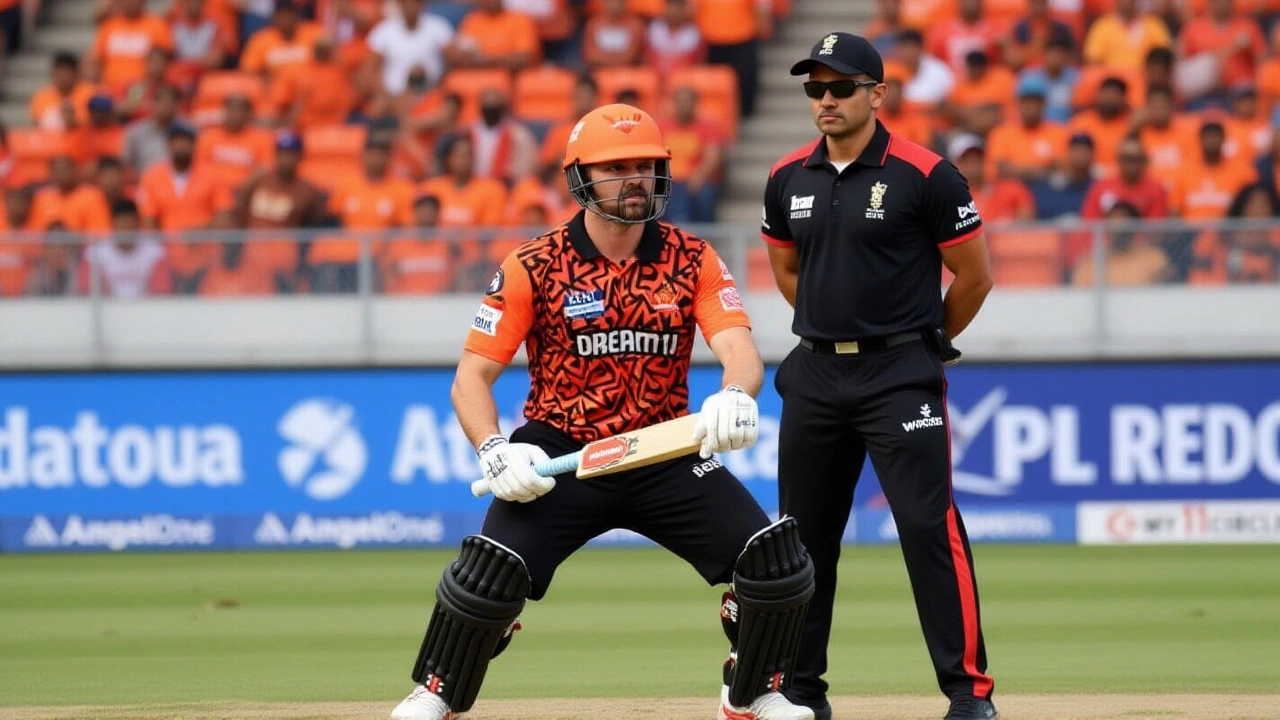
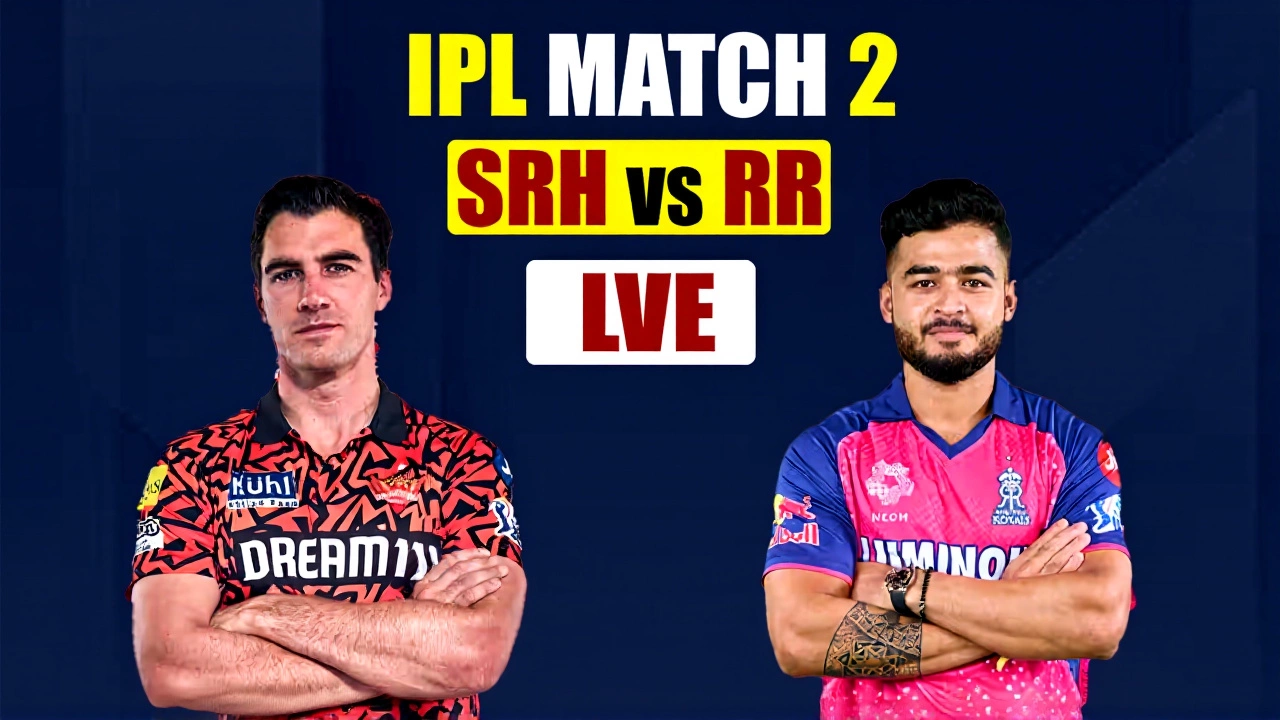
When Travis Head stepped onto the pitch at Hyderabad’s Uppal Stadium on March 23, 2025, few expected him to rewrite IPL history in just 24 balls. But by the end of the powerplay, he had done exactly that — smashing the fastest fifty of the season, dismantling Rajasthan Royals’ bowling attack, and handing them the worst powerplay performance in their 14-year franchise history. His 67 off just 24 balls wasn’t just a scorecard entry; it was a masterclass in controlled chaos, capped by a 105-meter six off Jofra Archer that turned into a viral sensation overnight.
The Explosive Innings That Shattered Records
Head’s innings began with a statement: a straight drive for four off the first ball he faced. By the third over, he was already at 30. When Archer came on for his second over, the crowd knew what was coming — and they weren’t disappointed. Head took 22 runs off that single over, including the monster six that cleared the mid-wicket fence by nearly 11 meters. The ball landed in a parking lot beyond the stadium, sparking cheers that echoed through the streets of Hyderabad. It was the longest six of the season — and the most expensive over for Rajasthan Royals in franchise history.
By the 6.1 over mark, Head had reached his fifty in 24 balls — the quickest in IPL 2025 and the fourth-fastest of his career. He didn’t stop there. His strike rate of 279.16 was a brutal reminder of how modern T20 cricket has evolved. The previous fastest fifty this season had come in 27 balls; Head shaved three off that. And he did it against a bowling unit that had prided itself on containing explosive openers.
Rajasthan Royals’ Powerplay Nightmare
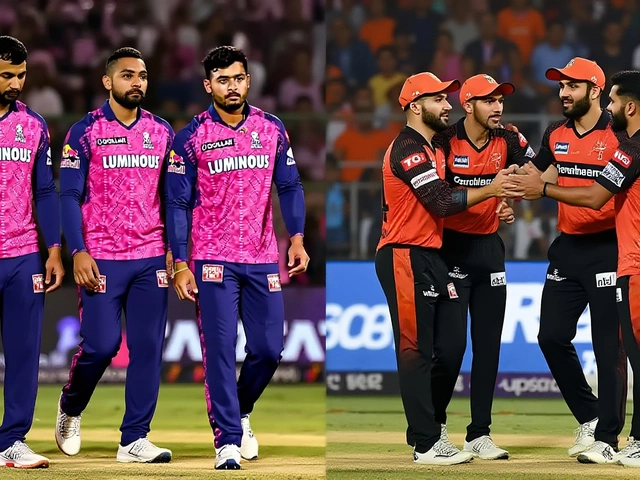
What made Head’s performance even more remarkable was the context: Rajasthan Royals had never — in 14 seasons since their 2008 inception — conceded more than 94 runs in the first six overs. On this night, they gave up 108. That’s not just a record. That’s a collapse. Their spinners were launched over long-on. Their pace attack, led by Archer and Trent Boult, looked flat-footed. Even their field placements, usually meticulously planned, looked like afterthoughts.
"We thought we had the plan," admitted Royals’ captain Sanju Samson post-match. "But Head was in a zone. You can’t plan for that. He was just hitting the ball harder than it should go."
Behind the Scenes: A Owner’s Joy Goes Viral
As Head raised his bat after reaching his fifty, the camera panned to the owners’ box. There, M. Kavya Maran, co-owner of Sunrisers Hyderabad, was jumping up and down, clapping with such wild enthusiasm that her reaction clip was viewed over 12 million times on Twitter alone. Her joy wasn’t just about one innings — it was about validation. After a shaky start to the season, Head’s performance gave SRH a much-needed boost in morale and momentum.
"She wasn’t just happy — she looked like she’d won the lottery," said a cameraperson who captured the moment. "You could see the tension melt off her face. This was the kind of innings that turns a season around."
The Ugly Truth: Head’s Struggles After the High
But here’s the twist: that innings was the peak. In the next three matches, Head failed to score a single fifty. Against Delhi Capitals, he was dismissed for 8 by Mitchell Starc — his sixth dismissal by Starc in just eight IPL encounters. The pattern is clear: when Starc is in the attack, Head’s average drops to 14.2. That’s not just bad luck — it’s a tactical vulnerability.
"Starc’s left-arm angle, the pace, the late swing — it’s a nightmare for Head," said former India spinner Harbhajan Singh on a post-match analysis show. "He tries to go over the top, but Starc doesn’t give him room. It’s like trying to hit a bullet with a hammer."
Expert Take: A Double-Edged Sword
"Head’s ability to explode at the top is a gift — but also a liability," said cricket analyst Rajeev Mehta. "When he’s on, he wins games single-handedly. When he’s off, he gives away his wicket cheaply, and SRH’s middle order isn’t built to recover from that. He’s the spark plug — but if the engine doesn’t keep running, the car stalls."
Head’s season stats tell the story: 289 runs in 7 matches, with one century, one fifty, and four scores under 20. His average is 41.3, but his strike rate is 171 — a classic explosive opener’s profile. The question isn’t whether he can hit big — it’s whether he can do it consistently.
What’s Next for Head and SRH?
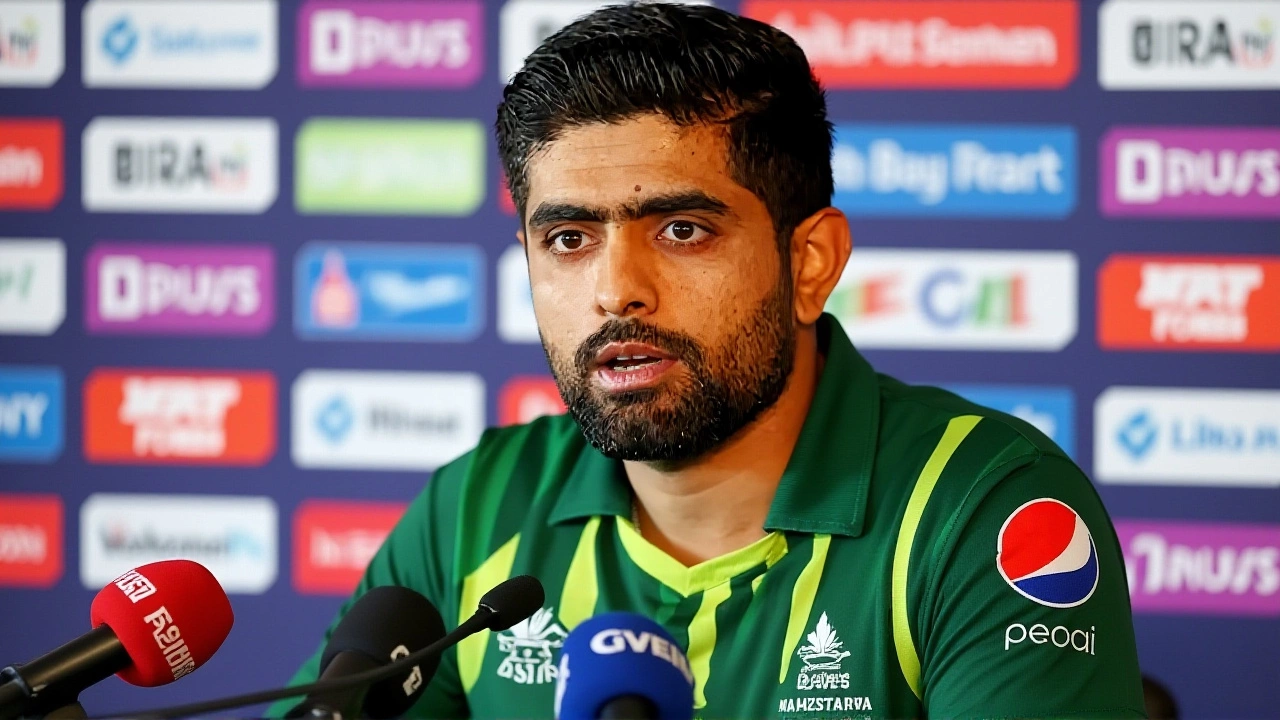
With the playoffs looming, SRH needs Head to rediscover his rhythm — especially against pace-heavy sides like Mumbai Indians and Lucknow Super Giants. But the looming shadow is Starc. If SRH face Delhi Capitals again, Head may be dropped for a more consistent batter — or, more likely, the team will adjust their batting order to protect him from early exposure to left-arm pace.
For Rajasthan Royals, the damage is done. Their powerplay strategy is in tatters. They’ll need to rethink their field placements, rethink their bowling order, and possibly even reconsider their reliance on Archer in the first six overs. The numbers don’t lie: they gave up 108 runs. That’s not just a bad day — it’s a blueprint for failure.
Frequently Asked Questions
How did Travis Head’s 67 off 24 balls compare to other fastest fifties in IPL history?
Head’s 24-ball fifty was the fastest of IPL 2025 and the 11th-fastest in IPL history. Only three players have reached fifty faster: Yuvraj Singh (12 balls), KL Rahul (14 balls), and David Miller (15 balls). It was the quickest by an Australian in IPL history, surpassing Glenn Maxwell’s 25-ball fifty in 2023.
Why is Mitchell Starc so effective against Travis Head?
Starc’s left-arm angle and pace consistently trouble Head, who struggles to get under the ball on the off-stump line. In eight IPL encounters, Starc has dismissed Head six times — the most by any bowler against him. His slower balls and yorkers exploit Head’s tendency to go for big shots early, making him vulnerable to LBW and bowled dismissals.
What record did Rajasthan Royals break in this match?
Rajasthan Royals conceded 108 runs in the powerplay — the most in their 14-year IPL history. Previously, their worst was 94 against Sunrisers Hyderabad in 2021. This match also marked their highest number of sixes conceded in a single powerplay (11), and their highest economy rate in the first six overs (10.80).
How did Travis Head’s performance impact Sunrisers Hyderabad’s playoff chances?
The win against Rajasthan Royals lifted SRH to fifth place in the points table, keeping them mathematically alive for the playoffs. But their inconsistency — winning only 4 of 7 matches — means Head’s form is now critical. If he can replicate that innings once every two games, SRH could sneak into the top four. But if he continues to slump after big starts, their chances vanish.
Is there any historical precedent for a player having such a hot-and-cold season in IPL?
Yes. In 2019, Andre Russell had a similar pattern — scoring 79 off 29 balls against KKR, then failing to score more than 15 in the next four matches. But Russell’s all-round skills kept him in the XI. Head, as a pure opener, doesn’t have that luxury. His fate is tied to his batting form — making his inconsistency more dangerous for SRH.
What does this mean for future matches between SRH and RR?
RR will likely avoid bowling Archer in the powerplay against SRH in future encounters. They may deploy spinners like Yuzvendra Chahal earlier, or even use Jos Buttler as a surprise bowler. Meanwhile, SRH will look to protect Head from early exposure to left-arm pace, possibly promoting a more consistent batter like Abhishek Sharma to open if Head is struggling.