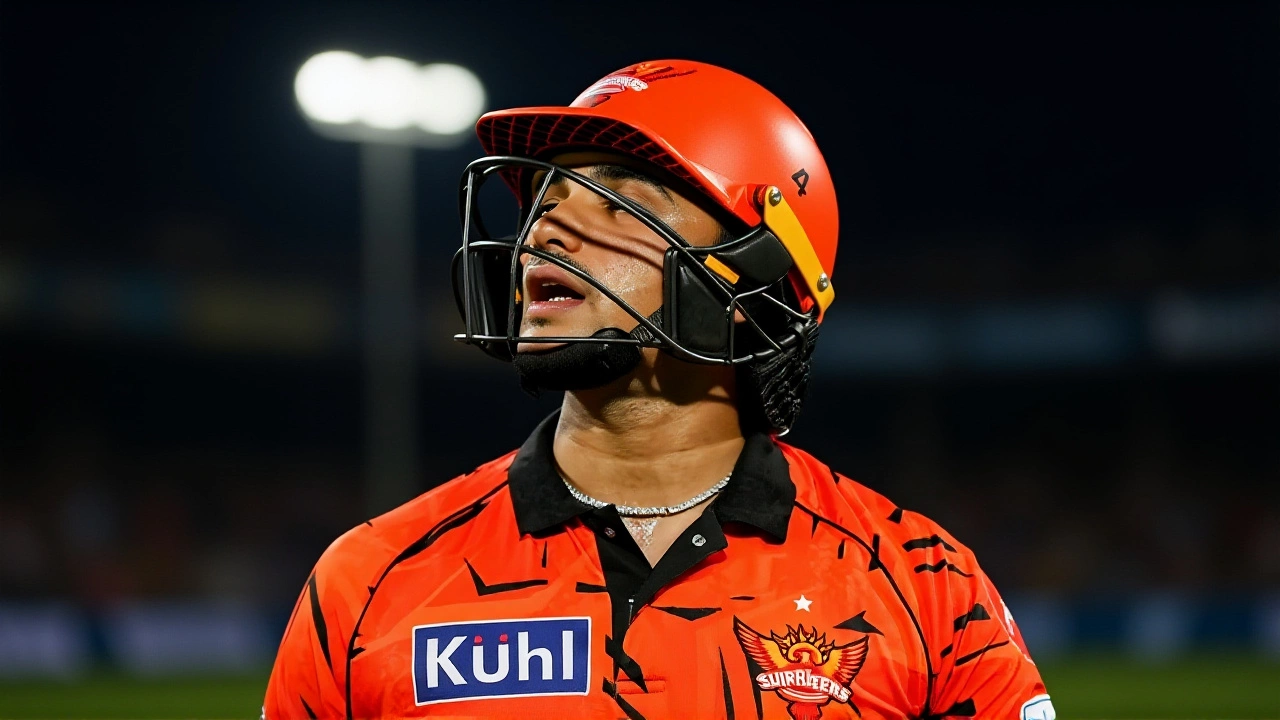
It’s a harsh lesson in the age of stump microphones: what you say on the field is never truly private. Abhishek Sharma, vice-captain and star opener for Sunrisers Hyderabad, has been handed a significant disciplinary sanction by the Board of Control for Cricket in India (BCCI). The punishment? A fine equivalent to 25 per cent of his match fees and one demerit point added to his record.
The incident unfolded on Thursday, April 2, 2026, during Match 6 of the Indian Premier League 2026Eden Gardens season. It was a high-stakes encounter between SRH and Kolkata Knight Riders (KKR) at the iconic venue in Kolkata. While SRH celebrated a dominant 65-run victory, opening their account for the season, Sharma found himself embroiled in controversy for using obscene language audible to spectators and broadcast audiences.
The Incident: Frustration Boils Over
Here’s the thing about modern cricket: the technology that helps umpires make better decisions also captures every muttered curse word. Reports indicate that Sharma’s outburst occurred following a contentious Decision Review System (DRS) call or a run-out controversy during the match against KKR.
According to multiple sources, including NDTV Sports and India Today, the language used was classified as "offensive, obscene, or profane." This falls squarely under Article 2.3 of the IPL Code of Conduct, which explicitly prohibits players from using such language if it is audible to spectators or picked up by stump microphones. Whether it was a reaction to a missed review or a frustrating dismissal, the words were loud enough to trigger an official investigation.
Interestingly, the exact phrase isn’t part of the public record, but the impact is clear. In fan forums like Reddit, speculation ran wild, with some users suggesting he directed frustration at the television umpire. However, the BCCI didn’t need to know the specific words—just that they violated the code.
Official Sanction and Admission
The Indian Premier League issued an official statement on Friday, April 3, 2026, confirming the details. The document noted that Sharma admitted to the Level 1 offence under Article 2.3. By accepting the breach, he avoided a potentially longer hearing process, but the penalties remained firm.
"He admitted to the Level 1 offence under Article 2.3 and accepted the Match Referee’s sanction," the statement read. For context, Level 1 offences are considered less severe than violent conduct or match-fixing, but they still carry financial and reputational weight. The match referee’s decision is final and binding for this tier of violations, meaning there is no appeal process for Sharma.
The financial hit is tangible. Losing a quarter of his match fee serves as both a deterrent and a reminder of professional standards. Additionally, the single demerit point sits on his disciplinary record. Accumulating more points in future seasons could lead to suspensions, making this a warning shot rather than just a fine.
Performance vs. Conduct
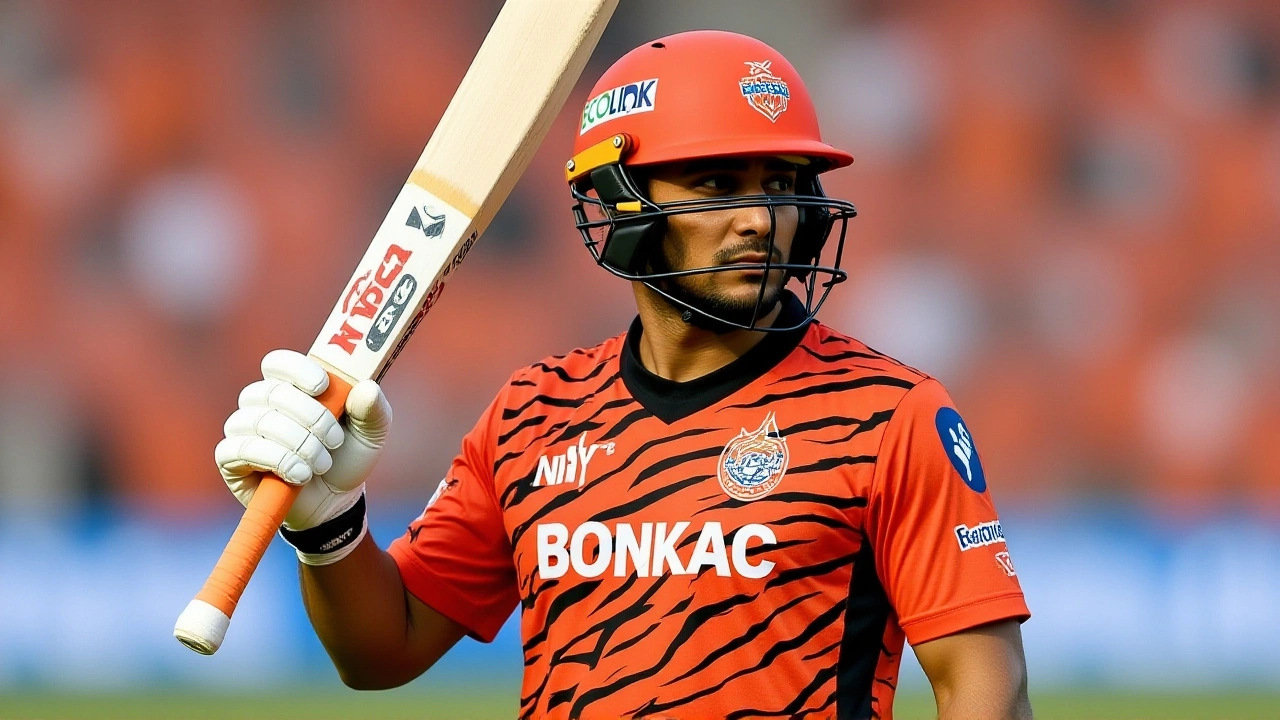
Despite the off-field drama, Sharma’s on-field contribution was undeniable. He played a pivotal role in SRH’s comprehensive win over KKR. The team’s batting lineup fired on all cylinders, securing a 65-run margin that signaled a strong start to their campaign.
This creates a complex narrative for fans and analysts. On one hand, you have a key player delivering exactly what the franchise needs. On the other, you have a breach of conduct that undermines the spirit of the game. As one sports analyst noted, "Talent doesn’t exempt you from basic decorum. The mic is always on."
For SRH, the priority now shifts to managing the fallout while capitalizing on the momentum from the win. The team will likely emphasize Sharma’s admission and acceptance of responsibility as a sign of maturity, hoping to move past the incident quickly.
Broader Implications for IPL Players
This case highlights the increasing scrutiny on player behavior in the digital age. With stump mics capturing audio clearly and social media amplifying every slip-up, the margin for error has shrunk. Previous incidents involving other players have shown that the BCCI is willing to enforce these rules strictly to maintain the league’s brand image.
The use of Article 2.3 has become more common in recent years. It covers not just direct abuse of officials, but also expressions of frustration directed at one’s own performance or circumstances. This broad definition ensures that any language deemed offensive by general standards is penalized, regardless of intent.
For young players entering the league, the message is clear: emotional control is as important as technical skill. The pressure of T20 cricket is immense, but the consequences of losing composure are now financially and professionally real.
What’s Next?
Sharma will return to action without further immediate penalty, but the demerit point remains. Fans and critics alike will be watching closely to see if this incident affects his form or confidence. For SRH, the focus returns to the next match, where the team aims to build on their first win of the season.
The BCCI may also use this case as a teaching moment for all franchises. Expect stricter monitoring of player communications during matches and perhaps even pre-match briefings emphasizing conduct. The era of unchecked on-field tirades is officially over.
Frequently Asked Questions
Why was Abhishek Sharma fined by the BCCI?
Abhishek Sharma was fined for breaching Article 2.3 of the IPL Code of Conduct by using obscene language audible to spectators and broadcast audiences during the match against Kolkata Knight Riders. The language was captured by stump microphones or heard by fans, violating the rule against offensive speech.
What is the specific penalty imposed on him?
Sharma received a fine equal to 25 per cent of his match fees for the game and was given one demerit point on his disciplinary record. He admitted to the Level 1 offence, making the match referee’s decision final and binding.
Did Sunrisers Hyderabad win the match despite the controversy?
Yes, Sunrisers Hyderabad defeated Kolkata Knight Riders by 65 runs in the match held at Eden Gardens on April 2, 2026. This was their first win of the IPL 2026 season, and Sharma’s batting performance was crucial to the victory.
Can Abhishek Sharma appeal the decision?
No, because the offence was categorized as Level 1, the match referee’s decision is final and binding according to IPL regulations. Sharma admitted to the breach, so there is no avenue for appeal within the standard disciplinary process.
What does Article 2.3 of the IPL Code of Conduct cover?
Article 2.3 prohibits the use of language that is widely recognized as offensive, obscene, or profane in any language, provided it is audible to spectators or the viewing audience. This includes comments picked up by stump microphones or shouted on the field.