When the lights flickered on at MA Chidambaram Stadium in Chennai on Tuesday evening, the tension wasn't just about who would win. It was about how the elements would play their part in the drama. The Chennai Super Kings took on the Kolkata Knight Riders in a high-stakes clash that promised everything but rain.
Here's the thing: cricket fans know that Chennai evenings are unpredictable. But on April 14, 2026, the sky decided to cooperate. While humidity hovered around a sticky 60 percent, the clouds stayed away. For once, the forecast was simple—clear skies, zero chance of precipitation, and a full 40 overs guaranteed.
But don't let the sunny outlook fool you. The real story unfolded on the ground, where the pitch told its own tale. And it was a tricky one.
The Pitch: A Slow Burn for Spinners
If you've ever played on red soil after a long dry spell, you know the feeling. The ball doesn't come onto the bat; it waits for you. That was the narrative at Chepauk this evening. The surface, characterized by its slow and dry nature, offered little assistance to stroke players looking to clear the ropes with ease.
Fast bowlers had a brief window of opportunity in the initial stages. Some early movement off the seam kept batsmen honest, but as the match progressed, the pitch deteriorated further. By the time the second innings approached, the ball was skidding through like a stone on water. This is classic Chepauk behavior—a track that rewards patience and punishes aggression.
For spinners, it was a dream scenario. The lack of pace meant they could dictate terms, forcing errors rather than waiting for them. Both teams knew they'd need to navigate this minefield carefully, especially with the added complication of dew looming large.
Dew Factor: The Silent Game-Changer
Turns out, the biggest threat to the bowlers wasn't the batsmen—it was the moisture in the air. With humidity levels sitting at approximately 60 percent, dew accumulation became a significant concern as night fell. You can feel it when the ball becomes slippery in your hand, turning every delivery into a gamble.
This phenomenon often shifts the advantage toward the team batting second. Why? Because the first side has to deal with a drying ball while fielding, whereas the chasing side gets a fresh, hard ball to hit. Plus, the slippery grip makes bowling consistently difficult, leading to loose deliveries that batsmen love to exploit.
Coaches from both sides were seen discussing strategies well before toss time, aware that dew could swing the momentum unexpectedly. It’s not just about skill anymore; it’s about adapting to conditions that change minute by minute.
Weather Conditions: Heat Meets Breeze
While the pitch dictated tactics, the weather set the stage for endurance. Temperatures during the match ranged between 28 and 32 degrees Celsius, dropping slightly from the daytime peak of 35 degrees. Not scorching, certainly—but enough to test fitness levels over two hours of intense action.
Wind speeds averaged 17-24 kilometers per hour, bringing relief in the form of sea breezes from Chennai's coastal location. These gusts provided a welcome break for players sweating under the stadium lights and spectators bundled up against the humid air. Without these winds, the heat might have become oppressive, affecting performance and concentration alike.
The India Meteorological Department confirmed there was absolutely no risk of rainfall throughout the contest. Zero percent probability. That means no interruptions, no D/L calculations, and no headaches for organizers. Just pure, uninterrupted cricket.
Team Momentum: CSK Riding High
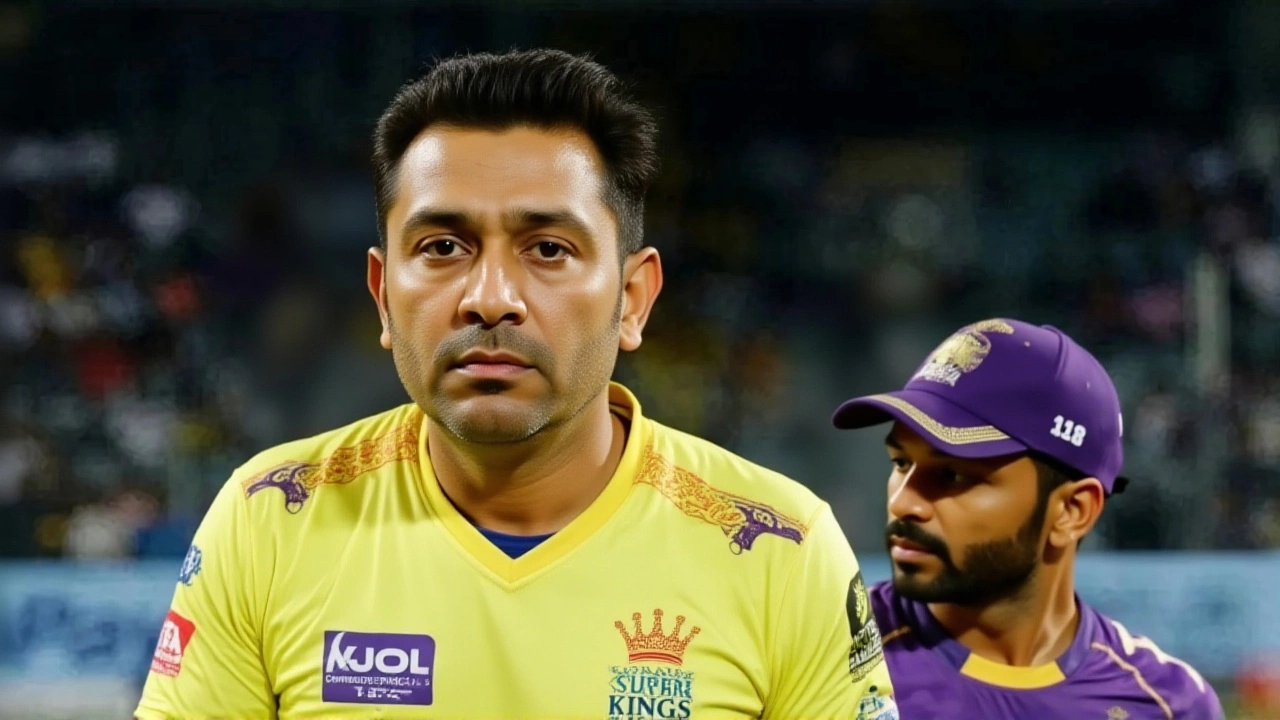
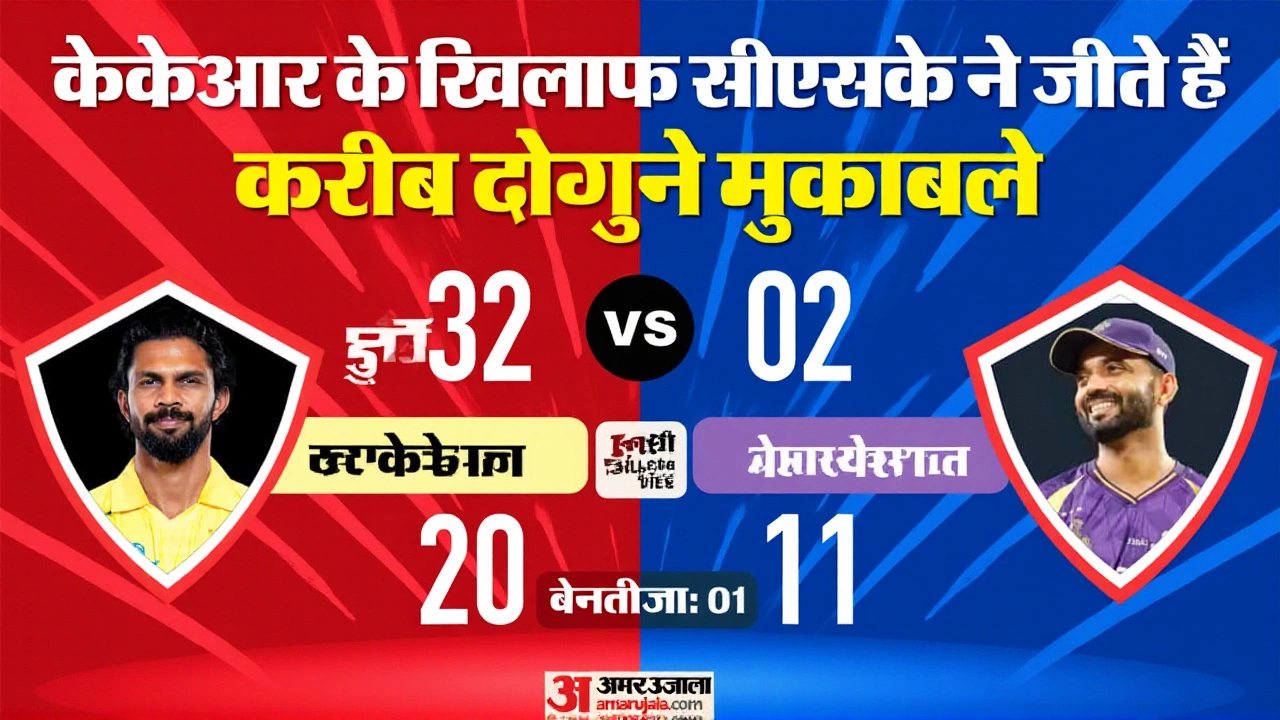
Coming into this fixture, Chennai Super Kings carried positive vibes. They had recently broken a losing streak with a crucial victory against Delhi Capitals at the same venue. Winning at home always boosts confidence, and CSK looked determined to build on that momentum.
On the other hand, Kolkata Knight Riders arrived with their own ambitions intact. Known for their resilience and tactical brilliance, KKR thrives in pressure situations. Whether they could handle the slowing pitch and slippery ball remained to be seen.
Both teams understood the stakes. In IPL 2026, every point counts, and every game shapes destiny. This wasn’t just another match—it was a statement of intent.
What Experts Are Saying
Cricketers who’ve played extensively at Chepauk emphasize the importance of reading the pitch early. “You can’t force shots here,” said one former spinner. “You wait for the mistake. If you don’t, you’ll get run out or caught behind.”
Batting coaches also highlighted the challenge of timing. On a slow track, even good technique isn’t enough if you’re late to the shot. Patience becomes more valuable than power.
Meanwhile, meteorologists noted that such stable weather patterns are rare in April in Chennai. Usually, pre-monsoon showers threaten matches, but this year, nature seemed to favor uninterrupted play.
Frequently Asked Questions
Was there any chance of rain during the CSK vs KKR match?
No, the India Meteorological Department reported zero percent probability of rainfall throughout the entire duration of the match on April 14, 2026. Skies remained completely clear, ensuring an uninterrupted contest without weather-related delays or Duckworth-Lewis adjustments.
How did the pitch behave at MA Chidambaram Stadium?
The pitch was described as slow and dry, composed of red soil that became progressively slower as the match progressed. Fast bowlers received some early assistance, but spinners dominated later stages due to reduced bounce and pace, making aggressive batting challenging.
Did dew affect the gameplay significantly?
Yes, substantial dew accumulation occurred due to 60% humidity levels, causing difficulties for bowlers in maintaining grip on the ball. This typically favors the team batting second, as they face fresher conditions and easier scoring opportunities despite slippery handling challenges.
What were the temperature and wind conditions during the match?
Temperatures ranged between 28–32°C during the evening session, down from a daytime high of 35°C. Wind speeds averaged 17–24 km/h, providing cooling sea breezes from Chennai’s coastal proximity, which helped mitigate heat stress for players and spectators alike.
Why is this match considered important in IPL 2026?
This encounter featured two top-tier teams—CSK and KKR—competing in a critical phase of the tournament. CSK aimed to extend their winning momentum after defeating Delhi Capitals, while KKR sought to assert dominance. Every result impacts playoff positioning, raising the stakes considerably.