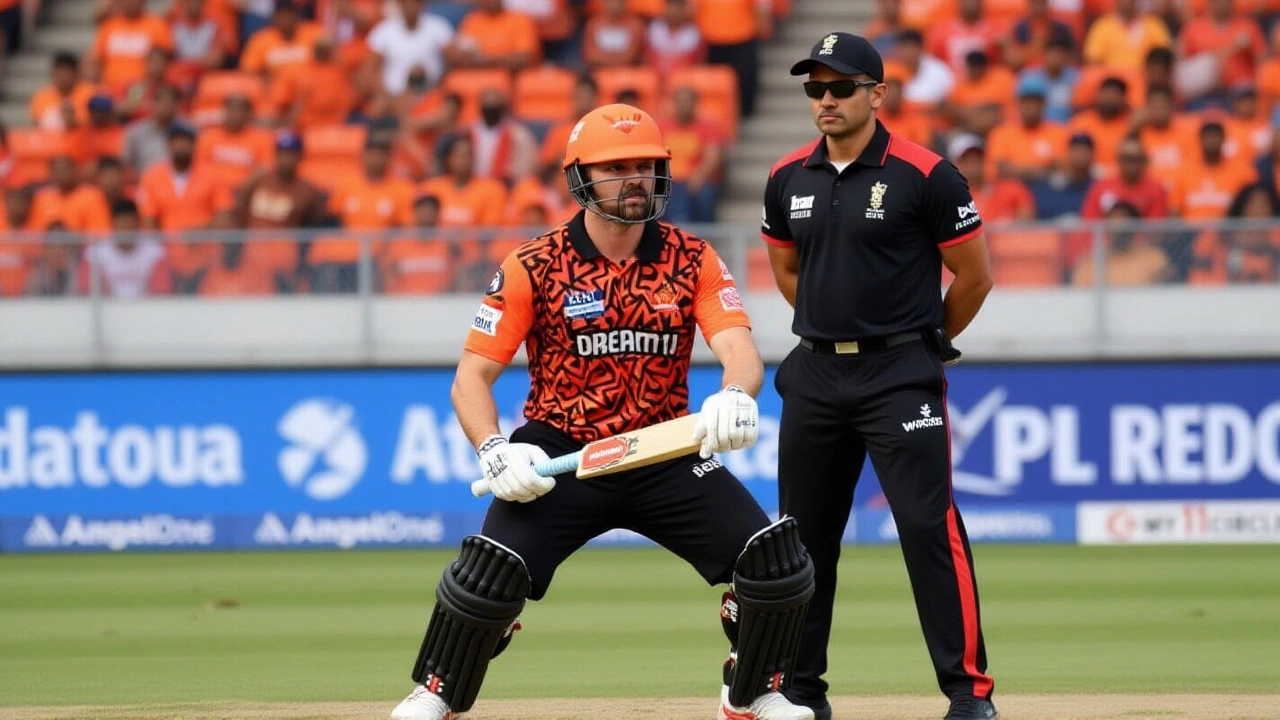
Powerplay Records in Cricket: Key Moments and Record-Breaking Performances
When we talk about powerplay records, the first seven overs in a T20 match where fielding restrictions apply, making it the most critical phase for scoring or restricting runs. Also known as fielding restriction overs, it’s where matches are often won or lost before the middle overs even begin. These aren’t just random bursts of runs—they’re calculated, high-risk, high-reward phases that demand precision, timing, and nerve. In the IPL, where every ball counts, teams have turned the powerplay into a weapon. Some teams now aim for 60+ runs in the first six overs, not just to set a foundation, but to put immediate pressure on the opposition.
It’s not just about big hitters. batting explosion, a rapid accumulation of runs in the powerplay, often driven by aggressive strokeplay and smart shot selection has become a science. Ishan Kishan’s 106 against Rajasthan Royals wasn’t just a century—it was built on a 78-run powerplay, the kind of start that forces bowlers into panic mode. Meanwhile, bowling record, a standout performance by a bowler during the powerplay, often involving wickets or extremely low run rates can be just as decisive. Mitchell Starc’s 7/58 in the Ashes opener didn’t come from luck—it came from targeting the powerplay with lethal swing and pace, breaking partnerships before they could form.
Teams don’t just rely on stars anymore. The best powerplay strategies now involve role-specific players: finishers who open, death bowlers who start, and captains who make toss decisions based on pitch behavior and weather. Chennai Super Kings’ choice to bowl first at Chepauk wasn’t just about spin—it was about controlling the powerplay with tight lines and variations. And when you look at the numbers, the team that wins the powerplay by more than 10 runs wins the match over 70% of the time in recent IPL seasons.
What makes these records stick isn’t just the runs or wickets—it’s the context. A 50 in 20 balls during the powerplay means something different if it’s against a top-order attack, or if the pitch is slow, or if the team was chasing 200. Sameer Rizvi’s journey from ₹8.4 crore buy to Delhi Capitals redemption wasn’t just about talent—it was about adapting his game to the demands of the powerplay. And when Shaun Tait’s 157.71 km/h speed record still stands, it’s because no one else has combined raw pace with control in those first six overs.
These records aren’t just stats on a leaderboard. They’re turning points. They’re the reason teams now draft players specifically for powerplay roles. They’re why you see a 22-year-old opener taking on the first ball of the match like it’s the last. And they’re why, even in a game full of big moments, the first six overs still hold the most tension.
Below, you’ll find the most explosive powerplay performances from the IPL and beyond—the innings that broke records, the spells that changed games, and the decisions that turned matches on their head.